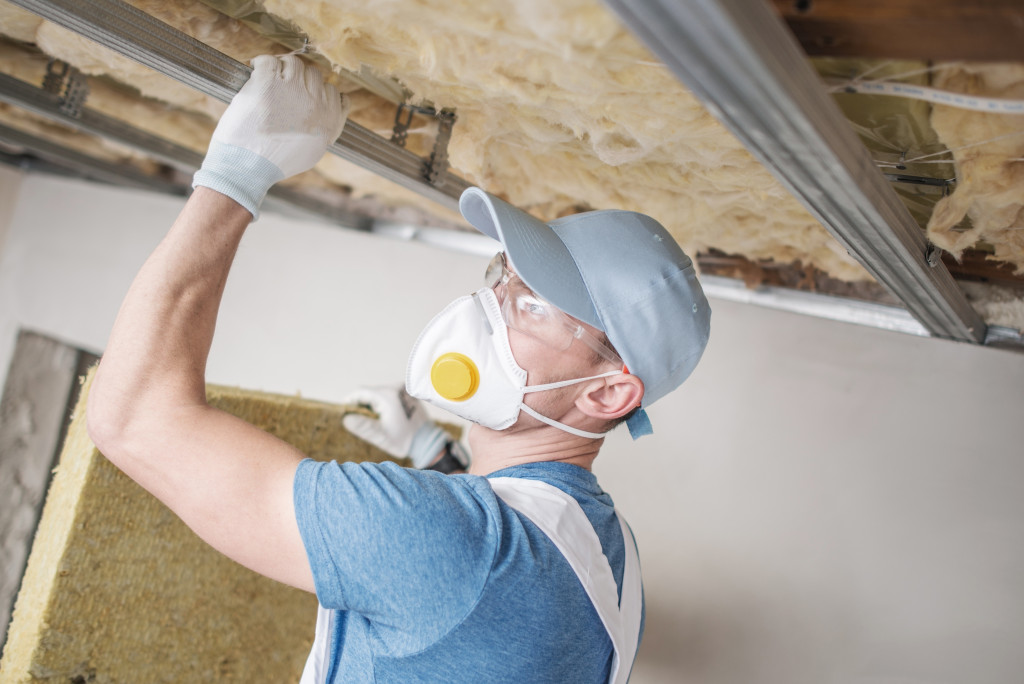
Planning a major home renovation involves more than choosing paint colors and finishes. Behind every successful project is a coordinated effort between multiple skilled professionals working in the right order. When homeowners fail to plan for essential upgrades early, projects often run into delays, unexpected costs, or preventable repairs later on.
Understanding which improvements to prioritize can help you protect your investment and improve your home’s comfort, efficiency, and value. Some upgrades are best handled before walls are opened or finishes are installed, while others can be completed later in the process. Knowing the difference can save both time and money.
This guide explains the most important services to think about before and during a renovation, along with practical tips to help you plan effectively and avoid common mistakes.
Choosing the Right Professional for Major Projects

One of the most important early steps in any home renovation is selecting the right remodeling contractor to oversee the project. This professional or team acts as the central coordinator, managing subcontractors, scheduling work, and ensuring that all aspects of the renovation comply with local building codes and industry standards. Choosing the right professional can mean the difference between a smooth, efficient project and one filled with delays, cost overruns, and unnecessary stress.
A reputable home remodeling service should demonstrate clear communication, transparency, and detailed documentation before any work begins. Vague estimates, ambiguous scopes, or unrealistic timelines are common causes of frustration during renovations and can lead to disputes or unexpected expenses.
When evaluating potential professionals, consider the following in depth:
-
Ask for a detailed written estimate with labor and material costs – Look for line items for each major component, including any allowances for materials. This helps prevent hidden costs or surprise markups.
-
Request proof of licensing and insurance – Verify that the contractor carries both liability and worker’s compensation coverage to protect yourself from potential claims or accidents.
-
Review past project photos – Ask to see examples of completed projects similar in scope and style to yours, including before-and-after photos to assess quality and consistency.
-
Check references from recent clients – Speak directly with homeowners who had similar projects to learn about timelines, communication, problem-solving, and satisfaction.
-
Confirm permit responsibilities – Ensure the contractor understands which permits are required and is willing to handle submissions and inspections. Mistakes here can result in delays or fines.
-
Ask about project timelines and milestones – Discuss expected start and finish dates for each phase, and how they handle unexpected delays due to weather, supply issues, or unforeseen problems.
You should also establish how unexpected issues will be managed. Renovations often uncover hidden problems like water damage, pest infestations, outdated wiring, or plumbing issues. Knowing in advance how these will be addressed, whether through contingency funds or alternative solutions, can prevent major delays.
It’s equally important to set communication expectations early. Agree on the frequency and method of updates, weekly progress reports, photo updates, or walkthrough meetings, to ensure you remain informed and confident in the project’s progress.
Before signing a contract, confirm it includes:
-
A clear project scope – Outlining specific tasks, materials, and desired finishes.
-
Estimated completion dates – Including intermediate milestones and the overall project timeline.
-
Payment schedule – Structured around completion of milestones to protect both parties.
-
Material specifications – Detailing brands, models, and finishes to avoid substitutions without consent.
-
Cleanup responsibilities – Clarifying who is responsible for debris removal and site maintenance.
-
Warranty details – Covering workmanship, materials, and any manufacturer guarantees.
A well-organized professional will not only execute the work efficiently but also guide the homeowner through each decision, anticipate potential problems, and maintain a structured workflow. This proactive approach ensures that each phase of the renovation is completed in the proper order, protecting your investment and minimizing stress throughout the project.
Improving Energy Efficiency Through Better Openings
Upgrading older windows is one of the most effective ways to improve comfort, reduce energy costs, and enhance the overall efficiency of your home during a renovation. Experienced window contractors can assess which areas of your home would benefit most from new installations and help determine the best materials, styles, and placement for maximum performance.
Drafty or poorly insulated windows often lead to uneven temperatures, making some rooms too hot in the summer or too cold in the winter. This can place unnecessary strain on heating and cooling systems and increase monthly energy bills. Installing replacement windows not only reduces air leaks but also improves insulation, noise control, and overall home value.
Before making a decision, homeowners should carefully evaluate their existing windows for potential issues:
-
Air drafts near window frames – Check for cold spots or noticeable airflow, especially during windy conditions, which indicate poor sealing.
-
Condensation between glass panes – This often signals a failed seal in double- or triple-pane units, reducing insulation efficiency.
-
Difficulty opening or closing windows – Misaligned or warped frames can lead to air leaks and security concerns.
-
Outside noise levels – Windows with poor sound insulation can allow street noise or neighborhood disturbances into living spaces.
-
Rising energy bills – Compare past bills before and after seasonal changes to identify high-energy-consumption areas linked to window performance.
Modern window options offer a variety of features to address these challenges:
-
Double or triple-pane glass – Improves insulation and reduces heat transfer.
-
Low-emissivity (Low-E) coatings – Reflect heat back into the home in winter and block solar heat in summer.
-
Insulated frames – Materials such as vinyl, fiberglass, or composite frames minimize energy loss.
-
Improved locking mechanisms – Ensure security while maintaining a tight seal.
-
Noise reduction features – Laminated or acoustic glass reduces outside sound intrusion, enhancing comfort.
Timing installation properly is critical. Window replacement is often best completed before interior finishing begins, such as painting, drywall, or trim installation. This prevents accidental damage to new surfaces and allows contractors to properly seal windows against moisture intrusion.
When planning upgrades, homeowners should also consider:
-
Matching window styles throughout the home – Creates visual consistency and can improve resale value.
-
Choosing durable frame materials – Reduces long-term maintenance and improves lifespan.
-
Selecting energy-efficient glass – Look for ENERGY STAR ratings or local efficiency standards to maximize savings.
-
Planning for proper ventilation – Ensure new windows maintain airflow and meet code requirements.
-
Coordinating trim installation – Align interior and exterior trim to prevent gaps or water intrusion.
Proper installation is just as critical as the window itself. Even the highest-quality window can underperform if not correctly fitted or sealed. Poor installation can lead to moisture damage, mold growth, and structural issues over time.
Working with experienced professionals ensures accurate measurements, proper leveling, and expert sealing techniques. Window contractors can also advise on complementary upgrades, such as weatherstripping or shading options, to further enhance energy efficiency.
By carefully evaluating your existing windows, selecting energy-efficient replacements, and ensuring proper installation, homeowners can significantly improve comfort, lower energy costs, and protect their investment for years to come.
Addressing Structural Protection Early
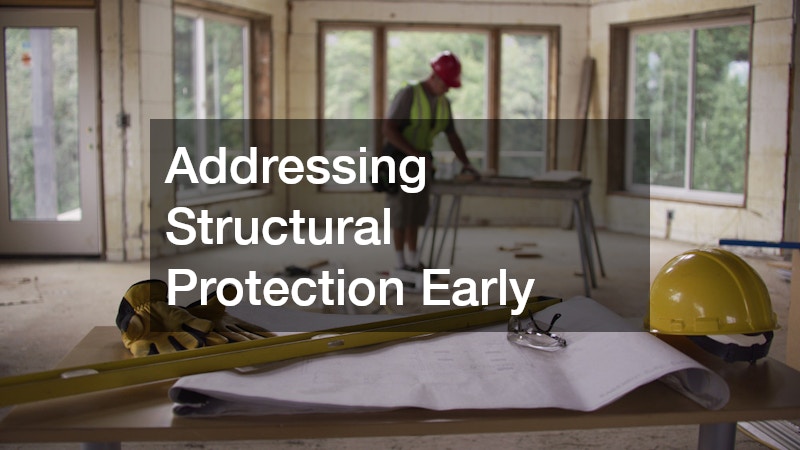
Before focusing on interior finishes, ensuring your home is protected from the elements is critical. Water intrusion, wind damage, or structural issues can compromise the quality of new materials and lead to costly repairs if not addressed early. A qualified roofing contractor can thoroughly inspect the roof and underlying structures to identify any issues that need immediate attention before renovation work begins.
Delaying roofing services until after interior work can result in significant damage. Even minor leaks can ruin freshly installed drywall, cabinets, or flooring, and prolonged exposure can weaken roof supports, leading to structural safety concerns. Addressing these concerns early safeguards the entire renovation investment.
Homeowners should be alert to common warning signs that roof work may be needed:
-
Missing or curling shingles – Shingles that are damaged, cracked, or curling reduce water resistance and can lead to leaks.
-
Water stains on ceilings or walls – Indications of previous leaks may suggest ongoing vulnerabilities in roofing materials or flashing.
-
Sagging roof areas – Uneven sections of the roof can indicate structural stress or failing supports.
-
Granules in gutters – Excessive loss of shingle granules can reduce roof longevity and indicate wear.
-
Visible daylight in attic spaces – Gaps in the roof structure not only let in moisture but also compromise insulation and energy efficiency.
When planning roof improvements, it’s important to coordinate with other renovations to avoid conflicts:
-
Choosing durable materials – Consider weather-resistant shingles, metal roofing, or synthetic options designed for longevity.
-
Improving ventilation – Proper airflow prevents moisture buildup in attics, reducing the risk of mold and prolonging roof life.
-
Adding moisture barriers – Underlayment and flashing act as secondary protection against leaks, particularly around chimneys, vents, and valleys.
-
Inspecting flashing and joints – These areas are common sources of leaks and should be carefully evaluated during inspections.
-
Checking drainage systems – Gutters, downspouts, and proper grading ensure water is directed away from the home’s foundation.
Timing is another crucial factor. Roof work should ideally be scheduled during seasons with predictable weather to minimize installation delays and prevent water exposure to exposed interiors. Coordinating roofing with other exterior upgrades, such as window replacement or siding work, ensures a cohesive approach and prevents overlapping issues.
A thorough inspection and early intervention not only protect the home during renovations but also set the stage for smoother interior work. Addressing structural concerns before insulation, drywall, or flooring is installed prevents damage to finished surfaces, reduces project delays, and provides peace of mind knowing that your home is secure and weather-tight.
Planning Outdoor Improvements Alongside Interior Work
Outdoor spaces are often overlooked during renovation planning, but they can significantly improve both enjoyment and property value. Experienced deck builders can help design functional outdoor areas that complement the rest of the home.
Planning exterior projects at the same time as interior upgrades allows for better coordination and fewer disruptions.
Important considerations include:
-
Access points from the house
-
Traffic flow
-
Privacy
-
Sun exposure
-
Drainage
-
Lighting
Outdoor structures should be designed with durability in mind. Materials exposed to weather require proper sealing and maintenance to last.
When planning an outdoor project, consider:
-
Composite versus wood materials
-
Railing options
-
Built-in seating
-
Shade structures
-
Lighting placement
-
Stair positioning
It’s also important to account for permits and building codes. Requirements vary by location and may include setback rules or height limitations.
Planning early ensures foundations and supports are properly installed and aligned with the rest of the home’s structure.
Well-designed outdoor areas can extend living space and create inviting areas for relaxing or entertaining.
Improving Comfort and Air Circulation
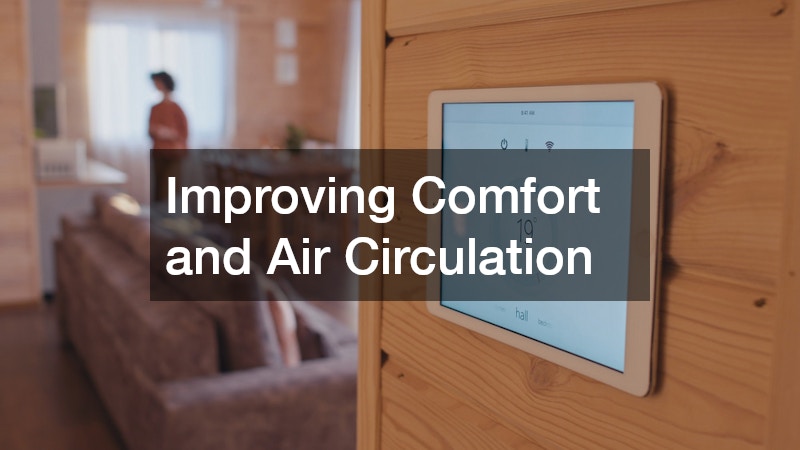
Heating and cooling systems play a major role in home comfort. An experienced HVAC contractor can evaluate your system and recommend improvements before walls and ceilings are closed.
Renovations often change airflow patterns, especially when walls are moved or rooms are added. Planning ahead helps prevent uneven temperatures later.
Routine ac services may be enough to restore performance in some cases, but older systems may require more extensive upgrades.
Key factors to evaluate include:
-
System age
-
Airflow consistency
-
Temperature differences between rooms
-
Noise levels
-
Energy usage
-
Filter condition
During renovations, it may be beneficial to:
-
Upgrade ductwork
-
Add vents
-
Seal air leaks
-
Install zoning systems
-
Improve insulation
-
Upgrade thermostats
Proper airflow is essential for maintaining comfort throughout the home.
Timing is important when planning system work. Installing or modifying equipment before finishing surfaces helps prevent damage and simplifies installation.
Regular maintenance after renovations helps ensure systems continue operating efficiently.
A well-planned system upgrade can improve comfort while reducing energy costs.
Preparing for Long-Term Heating Reliability
Older heating systems often struggle to keep up with modern efficiency standards. Planning for furnace replacements during renovations can prevent unexpected breakdowns later.
Replacing aging equipment during a renovation is often easier than doing so after the project is complete. Walls and ceilings may already be open, allowing easier access.
Signs a heating system may need replacement include:
-
Frequent repairs
-
Rising energy costs
-
Uneven heating
-
Strange noises
-
Difficulty maintaining temperature
When selecting a new system, consider:
-
Efficiency ratings
-
System size
-
Fuel type
-
Installation space
-
Ventilation requirements
-
Maintenance needs
Proper sizing is essential. Oversized or undersized systems can lead to inefficiency and discomfort.
Installation planning should include:
-
Equipment placement
-
Vent routing
-
Clearance requirements
-
Access for maintenance
-
Safety features
Budgeting ahead helps prevent surprises and allows time to compare options.
Planning early ensures the installation fits smoothly into the overall renovation schedule.
Creating a Realistic Project Timeline

A well-planned schedule helps prevent delays and keeps projects organized. Renovations often involve multiple specialists working in sequence, so coordination is essential.
A typical renovation timeline may include:
-
Initial planning
-
Design phase
-
Permitting
-
Structural work
-
Mechanical work
-
Insulation
-
Drywall
-
Finishing
-
Final inspections
Planning ahead helps ensure materials arrive on time and work progresses smoothly.
Tips for building an effective timeline:
-
Order materials early
-
Schedule inspections in advance
-
Allow buffer time
-
Confirm availability
-
Plan around weather
-
Track progress
Unexpected issues are common during renovations. Leaving extra time in the schedule helps reduce stress and prevents rushed work.
Clear communication with everyone involved helps ensure each phase is completed in the correct order.
A successful renovation depends on careful planning and thoughtful coordination. Addressing essential upgrades early helps prevent costly repairs and ensures the finished project meets your expectations.
By prioritizing critical improvements and working with qualified professionals, homeowners can create more comfortable, efficient, and functional living spaces. Taking the time to plan each phase carefully leads to better results and fewer surprises along the way.
Whether updating a single room or transforming an entire house, a well-organized approach makes the process smoother and more rewarding.