- Mold thrives on bathroom ceilings due to moisture, steam, poor ventilation, and condensation.
- Small mold patches can be cleaned safely at home with protective gear, but large infestations may require professionals.
- Use gentle cleaners like vinegar, hydrogen peroxide, or baking soda to remove mold without damaging paint or drywall.
- Always test a small area first, apply the solution carefully, scrub gently, and ensure the ceiling is completely dry.
- Avoid bleach on painted ceilings unless necessary, and never mix cleaning chemicals.
- Prevent mold recurrence by improving ventilation, controlling humidity, drying surfaces after showers, and fixing leaks.
- Inspect your bathroom ceiling regularly to catch mold early and act promptly to maintain a healthy environment.
That mold on your bathroom ceiling isn’t just unsightly—it’s a potential health problem, too. Moist environments, poor ventilation, and steam from hot showers create the perfect breeding ground for mold. Cleaning it might seem tricky, especially if you want to avoid peeling paint or damaged drywall. The good news is that with the right approach, you can remove mold safely and effectively.
In this guide, we’ll walk you through why mold forms, how to clean it properly, and how to prevent it from coming back. By following these steps, you’ll keep your bathroom ceiling mold-free without causing damage.
Why Does Mold Grow on Bathroom Ceilings?
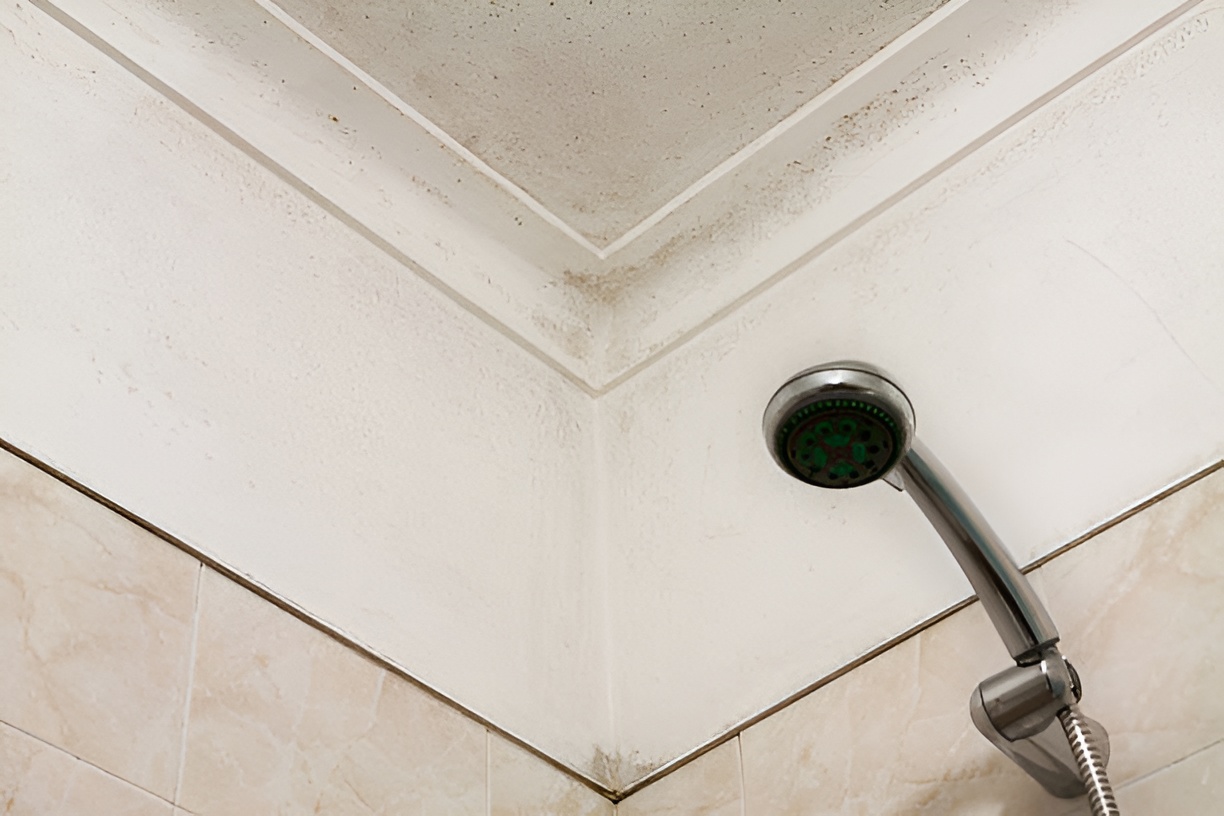
Mold thrives in damp, humid environments. Bathrooms are often warm and moist, creating ideal conditions. The ceiling is particularly vulnerable because:
- Steam rises: Hot showers release water vapor that settles on the ceiling.
- Poor ventilation: Lack of exhaust fans or open windows traps moisture.
- Condensation on cold surfaces: Water collects on ceilings that aren’t properly insulated.
- Neglected cleaning: Small mold spots can grow if ignored.
Understanding why mold forms helps you tackle it correctly and prevent future outbreaks.
Is It Safe to Clean Mold Yourself?
In most cases, small mold patches can be safely cleaned by homeowners. However, if the mold covers more than 10 square feet or you have health issues like asthma, allergies, or a weakened immune system, it’s best to call a professional.
Safety precautions for DIY cleaning include:
- Wearing gloves, goggles, and a mask.
- Ensuring the bathroom is well-ventilated.
- Avoiding mixing cleaning chemicals like bleach and ammonia.
Following safety steps protects your health while effectively removing mold.
What You Need to Clean Mold Off a Bathroom Ceiling
Before you start, gather the right tools and supplies to protect your ceiling and drywall:
- Mild detergent or dish soap
- White vinegar or hydrogen peroxide (3% solution)
- Baking soda (optional)
- Spray bottles
- Soft sponges or microfiber cloths
- Soft-bristled brush
- Ladder or step stool
- Protective gloves, goggles, and mask
- Plastic sheeting or drop cloths to catch drips
Using the correct supplies ensures that cleaning is effective without damaging paint or drywall.
How to Clean Mold Off Bathroom Ceiling Step by Step
Here’s a thorough, methodical approach that balances safety, effectiveness, and protecting your paint or drywall.
Prepare the Area
Start by protecting your bathroom surfaces. Cover your shower, bathtub, or floor with plastic sheeting or old towels to catch drips and prevent stains. Remove any bathroom items near the ceiling, such as shower caddies or hanging decorations. Ensure proper ventilation by opening windows and doors, and turn on the exhaust fan if you have one. Proper airflow not only helps reduce moisture but also disperses cleaning fumes.
Mix a Cleaning Solution
Create a safe and effective cleaning solution. Combine one part white vinegar with one part water in a spray bottle, or use a 3% hydrogen peroxide solution directly. Both are effective at killing mold spores without harsh chemicals. Avoid using bleach on painted ceilings, as it can strip paint and damage drywall over time. For extra cleaning power, you can add a teaspoon of baking soda to the mixture, which helps lift stubborn mold.
Test a Small Patch
Before treating the entire area, spray a small, inconspicuous patch of the ceiling to ensure the solution doesn’t affect the paint or drywall. Let it sit for 10–15 minutes and check for any discoloration, bubbling, or peeling. This precaution prevents accidental damage when you clean the larger area.
Apply the Solution
Spray the moldy areas evenly with your cleaning solution. Allow it to sit for 10–15 minutes to penetrate and kill the mold spores. Avoid oversaturating the ceiling, as excess moisture can seep into drywall. For textured ceilings, spray lightly to avoid disturbing the texture.
Gently Scrub the Ceiling
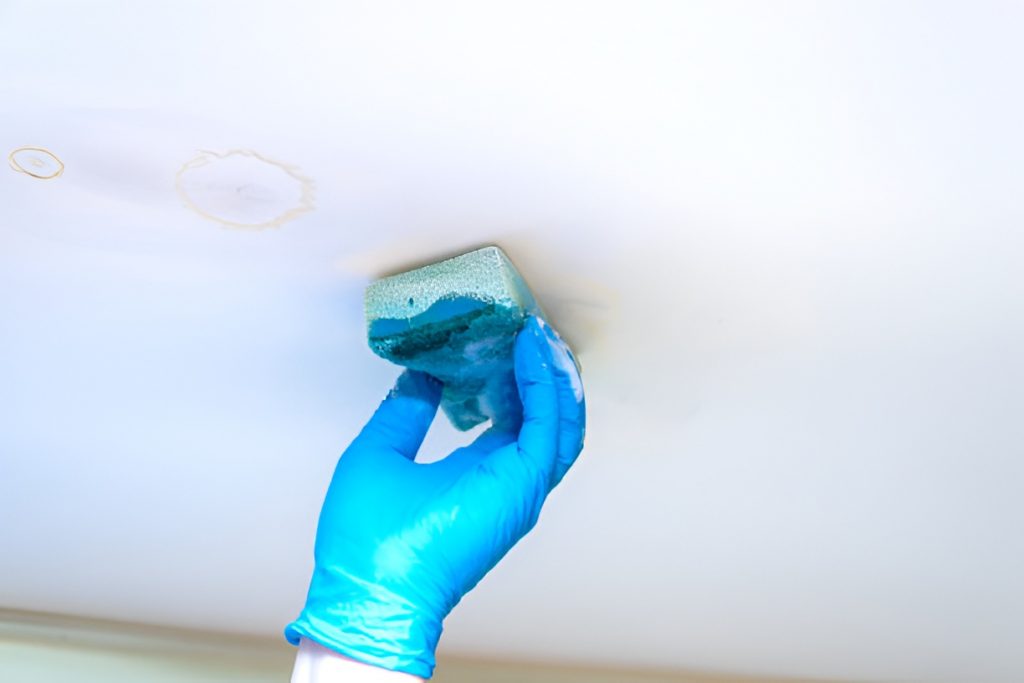
Using a soft sponge or microfiber cloth, gently scrub the affected areas in a circular motion. For textured ceilings, a soft-bristled brush works best to reach into grooves without peeling paint. Avoid steel wool or rough scrubbers, which can scratch or damage the surface.
Rinse and Dry
Once the mold is removed, lightly wipe the area with a damp cloth to remove any cleaning residue. Use a dry towel or allow the ceiling to air dry completely. Moisture left behind can encourage mold to return, so ensure the surface is fully dry before finishing.
Repeat if Necessary
Some mold spots may be stubborn. If needed, repeat the spraying and gentle scrubbing process. For persistent patches, a baking soda paste (baking soda mixed with water) can be applied for extra cleaning power. Let it sit for a few minutes before scrubbing and rinsing.
For homeowners wondering how to clean mold off ceiling, these precautions and techniques ensure a safe, thorough cleanup without damaging paint or drywall.
Can You Use Bleach on Moldy Bathroom Ceilings?
Bleach is a common solution, but it has drawbacks for painted ceilings:
- Can strip paint or cause discoloration.
- May damage drywall if overused.
- Releases strong fumes that require ventilation and protective gear.
If you must use bleach, dilute it properly (1 part bleach to 10 parts water) and test a small area first. However, safer alternatives like vinegar, hydrogen peroxide, or baking soda are usually more suitable for preserving paint and drywall integrity.
How to Prevent Mold from Returning
Cleaning mold is only half the battle; preventing it is key. Here are proven strategies:
- Improve ventilation: Install or use an exhaust fan during showers.
- Control humidity: Use a dehumidifier if your bathroom stays damp.
- Wipe surfaces: Dry the ceiling and walls after showers.
- Regular cleaning: Monthly wipe-downs with a vinegar solution can prevent mold growth.
- Repair leaks: Fix any plumbing or roof leaks that contribute to excess moisture.
Prevention reduces recurring mold and keeps your bathroom ceiling looking clean and fresh.
How Often Should You Check for Mold?
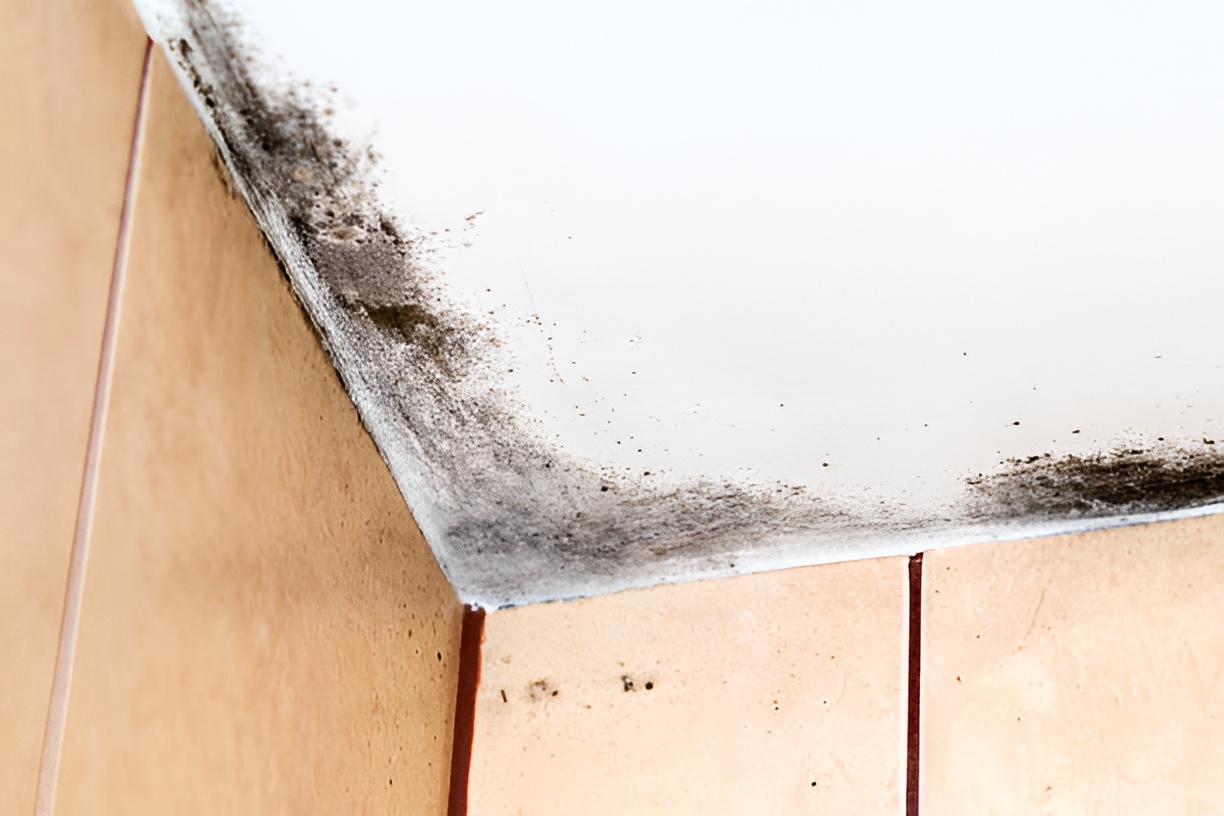
Routine inspections help catch mold early:
- Inspect your bathroom ceiling every 1–2 months.
- Pay attention to corners, areas above showers, and spots with poor airflow.
- Act quickly at the first sign of discoloration or musty odor.
Early detection makes cleaning easier and reduces the risk of damage to your ceiling and paint.
What About Painted vs. Textured Ceilings?
Ceiling type affects how you clean mold:
- Smooth painted ceilings: Easier to wipe with vinegar or hydrogen peroxide.
- Textured ceilings (popcorn or stucco): Require gentle brushing; avoid soaking with liquid, as it can damage the texture.
Choose your cleaning method based on ceiling type to prevent accidental damage.
How to Handle Stubborn Mold Spots
Some mold patches can be persistent. Try these approaches:
- Make a baking soda paste (baking soda + water) and apply to the spot. Let sit 10 minutes before scrubbing gently.
- Use a soft-bristled brush instead of a sponge for textured ceilings.
- Repeat vinegar or hydrogen peroxide application if necessary.
Persistent mold may indicate deeper moisture issues, so address ventilation or leaks if cleaning doesn’t fully remove it.
Can Mold Cause Health Problems?
Yes, mold can trigger a variety of health concerns, especially for sensitive individuals:
- Respiratory issues like coughing, wheezing, or asthma attacks
- Allergic reactions, including sneezing, itchy eyes, or skin rashes
- Long-term exposure can exacerbate chronic conditions
Cleaning mold promptly reduces these risks and improves indoor air quality.
Quick Tips for Cleaning Mold Off Bathroom Ceiling Safely
- Never mix cleaning chemicals.
- Always wear protective gear.
- Avoid excessive scrubbing to protect paint.
- Keep the area dry after cleaning.
- Use natural cleaners when possible for painted surfaces.
Following these tips ensures an effective and damage-free cleaning process.
When to Call a Professional
If mold:
- Covers a large area (over 10 square feet)
- Returns immediately after cleaning
- Penetrates into drywall or ceilings with water damage
A professional mold remediation service is the safest option. They have specialized tools and treatments to remove mold without causing further damage.
Wrapping It Up
Removing mold from a bathroom ceiling doesn’t have to be stressful. With the right approach, gentle cleaners, and preventive habits, you can restore your ceiling to a clean, healthy condition without peeling paint or damaged drywall. Consistent monitoring, good ventilation, and proper cleaning techniques are the keys to keeping mold at bay.