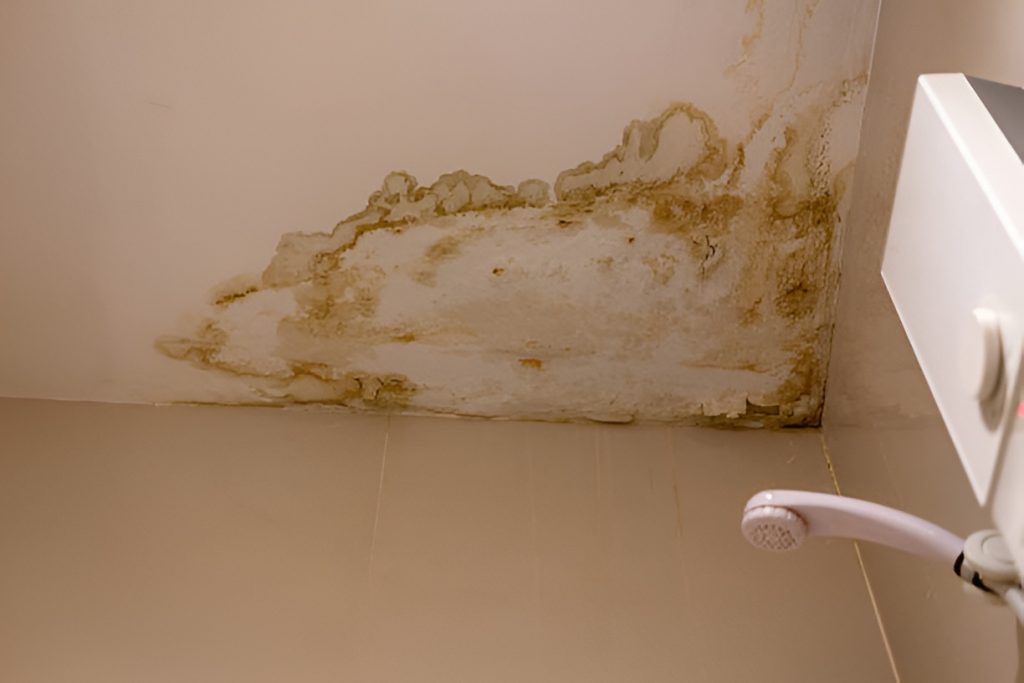
- Identify the source of moisture – Mold grows where there’s water, leaks, high humidity, or condensation. Fixing the root cause is essential to prevent recurrence.
- Detect mold early – Look for visible spots, discoloration, peeling paint, musty odors, or health symptoms like sneezing and coughing. Early action makes removal easier.
- Prioritize safety – Always wear gloves, goggles, and an N95 mask, ventilate the area, and avoid mixing chemicals while cleaning.
- Choose the right cleaning method – Household solutions like vinegar, baking soda, or hydrogen peroxide work for small areas; commercial cleaners or professional help may be needed for larger infestations.
- Dry and protect surfaces – After cleaning, ensure ceilings are completely dry and consider mold-resistant paint or insulation to prevent regrowth.
- Maintain a mold-free environment – Improve ventilation, control humidity, inspect ceilings regularly, and repair leaks promptly.
- Know when to call a professional – If mold covers more than 10 square feet, persists despite cleaning, or is hidden inside walls, hire an expert to address it safely.
Mold on ceilings is more than just an eyesore—it can cause structural damage and pose health risks if left untreated. Many homeowners notice discoloration or a musty smell and wonder how to tackle the problem safely and effectively. This guide will take you through how to clean mold off ceiling step by step, from identifying the problem to preventing it in the future.
What Causes Mold on Ceilings?
Before you start cleaning, it’s important to understand why mold appears in the first place. Mold thrives in damp, warm environments, and ceilings are especially vulnerable in certain areas:
- Leaky roofs or plumbing – Water intrusion creates the perfect breeding ground.
- High humidity – Bathrooms, kitchens, and laundry rooms often have poor ventilation.
- Condensation – Poor insulation can lead to moisture forming on the ceiling.
- Previous water damage – Even minor leaks that weren’t fully dried can lead to mold.
Understanding the root cause will help you prevent mold from coming back after cleaning.
How Do You Detect Mold on Your Ceiling?
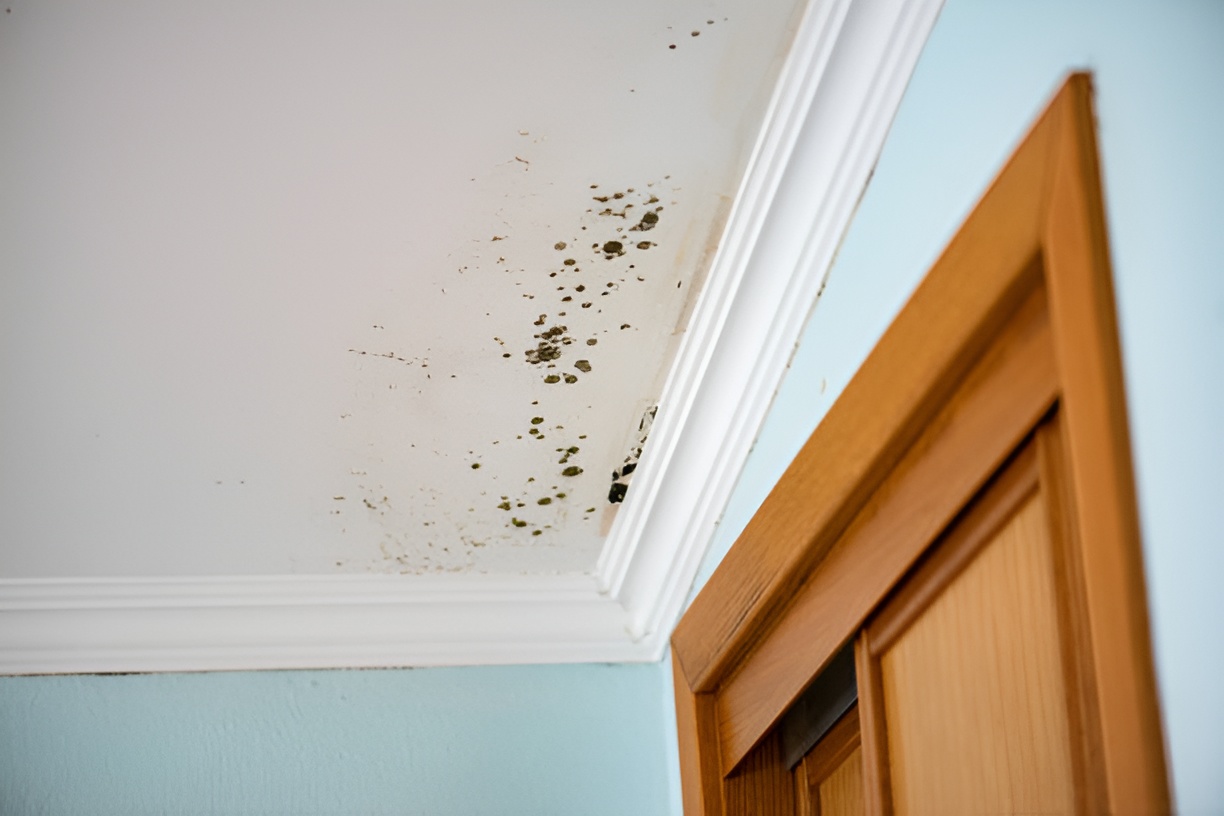
Mold isn’t always obvious at first, and it can hide behind paint, wallpaper, or ceiling tiles. Detecting it early can save time, money, and prevent health issues. Here are the key signs to look out for:
- Visible spots or discoloration – Mold often appears as black, green, brown, or even pinkish stains. These spots may start small and grow over time, sometimes forming a fuzzy or powdery texture. Check corners, edges, and areas near vents or leaks, as these are common hotspots.
- Musty odor – Even if you can’t see mold, a persistent musty or earthy smell often indicates hidden mold growth. Pay attention to rooms that feel damp or smell unusual, especially after showers or heavy rain.
- Peeling paint or wallpaper – Moisture trapped behind the surface can cause paint or wallpaper to lift, bubble, or peel. This is a strong sign that mold could be growing underneath.
- Health symptoms – If you or your family experience unexplained sneezing, coughing, watery eyes, or skin irritation indoors, mold may be a culprit. These reactions are often more noticeable in sensitive individuals, like children or those with asthma or allergies.
If you notice any of these signs, it’s time to take action. The sooner you address mold, the easier it is to clean and prevent long-term damage.
What Safety Precautions Should You Take?
Cleaning mold can release spores into the air, which may spread or irritate your lungs. Safety should always be your top priority. Follow these precautions:
- Wear protective gear – Gloves, goggles, and an N95 mask are essential. Gloves protect your skin from irritation, goggles shield your eyes from spores or cleaning solutions, and an N95 mask prevents inhalation of mold particles.
- Ensure proper ventilation – Open windows and use fans to circulate air while cleaning. This helps reduce the concentration of airborne spores and speeds up drying after cleaning.
- Avoid mixing chemicals – Never mix cleaning products like bleach and ammonia. This can create toxic fumes that are dangerous to inhale. Stick to one solution at a time, and follow instructions carefully.
- Cover floors and furniture – Mold spores and cleaning solutions can drip or spread. Protect your furniture, flooring, and belongings with plastic sheets or old towels to make cleanup easier and prevent contamination.
Taking these precautions not only protects your health but also minimizes the risk of mold spreading to other areas of your home.
How to Prepare Your Ceiling for Cleaning
Proper preparation ensures your mold cleaning is efficient, safe, and less stressful. Here’s what to do before you start:
- Remove or cover furniture – Move furniture out of the area or cover it with plastic sheeting. This prevents drips or debris from staining surfaces.
- Inspect the ceiling – Look for peeling paint, sagging drywall, or structural damage. If the ceiling shows serious damage, it may require professional repair before cleaning.
- Test your cleaning solution – Apply a small amount of your chosen solution (vinegar, baking soda, or hydrogen peroxide) to a hidden area. This ensures it won’t damage paint, wallpaper, or texture.
- Set up ladders safely – Make sure ladders are stable and placed on a level surface. Never overreach, and have someone nearby if possible. Using an extendable cleaning tool can also help you reach high ceilings without straining.
Once your workspace is prepared and you have all the necessary tools, you’re ready to start the cleaning process.
How to Clean Mold Off Ceiling: Step-by-Step Methods
There are several effective ways to remove mold, depending on the severity and location. The key is to kill the mold and remove it safely without causing damage to the ceiling surface.
Using Household Products
Baking Soda Solution
- Mix 1 tablespoon of baking soda with 1 cup of water in a spray bottle.
- Spray the solution directly onto the moldy area, letting it penetrate the surface.
- Scrub gently with a soft brush or sponge to remove mold without damaging paint or drywall.
- Wipe the area with a damp cloth and allow it to dry completely. Baking soda not only cleans but also helps prevent mold from returning.
Vinegar Solution
- Pour undiluted white vinegar into a spray bottle and apply it to mold spots.
- Let it sit for at least an hour to kill mold at the root.
- Wipe clean with a damp cloth, then allow the ceiling to air dry.
- Vinegar is mildly acidic and effective against most mold species, making it a safe, non-toxic option for painted or textured ceilings.
Hydrogen Peroxide
- Use 3% hydrogen peroxide in a spray bottle and saturate the affected area.
- Allow it to sit for 10 minutes to break down mold spores.
- Scrub with a soft brush and wipe clean with a damp cloth.
- Hydrogen peroxide is especially effective for textured ceilings and stubborn stains because it penetrates surface crevices.
Using Commercial Mold Cleaners
For widespread or persistent mold, commercial cleaners may provide stronger results.
- Choose EPA-approved products specifically labeled for mold removal.
- Follow the manufacturer’s instructions carefully, including recommended contact time and dilution guidelines.
- Always ventilate the room during use to avoid inhaling fumes.
- Wear protective gear even when using commercial cleaners, as they can contain stronger chemicals.
When to Call a Professional
Some mold infestations require professional help. Consider hiring an expert if:
- The mold covers more than 10 square feet.
- Mold keeps returning despite cleaning.
- There are hidden sources of moisture inside walls or above ceilings.
- You notice structural damage or sagging areas.
Professionals have specialized equipment and techniques to safely remove mold and address underlying issues, reducing the risk of recurrence.
How to Clean Mold Off Bathroom Ceilings
Bathrooms are a hotspot for mold due to constant humidity. To clean bathroom ceilings:
- Turn on the exhaust fan or open windows to reduce humidity.
- Use a vinegar or baking soda solution on mold spots.
- Scrub gently to avoid damaging paint.
- Consider mold-resistant paint when repainting.
Regular cleaning and ventilation are key to preventing recurrence in these spaces.
How to Remove Mold from Textured Ceilings
Textured or popcorn ceilings are tricky because mold can grow deep in the crevices.
- Use a soft brush to avoid damaging the texture.
- Apply a vinegar or hydrogen peroxide solution using a spray bottle.
- Avoid over-saturating, which can cause damage or staining.
- For severe cases, consider retexturing or repainting after mold removal.
How to Dry the Ceiling Properly After Cleaning
Mold thrives in damp conditions, so drying the ceiling thoroughly is critical:
- Use fans or dehumidifiers to circulate air.
- Open windows whenever possible.
- Avoid touching or painting the ceiling until it is completely dry.
A dry ceiling reduces the risk of mold returning.
How to Prevent Mold from Coming Back
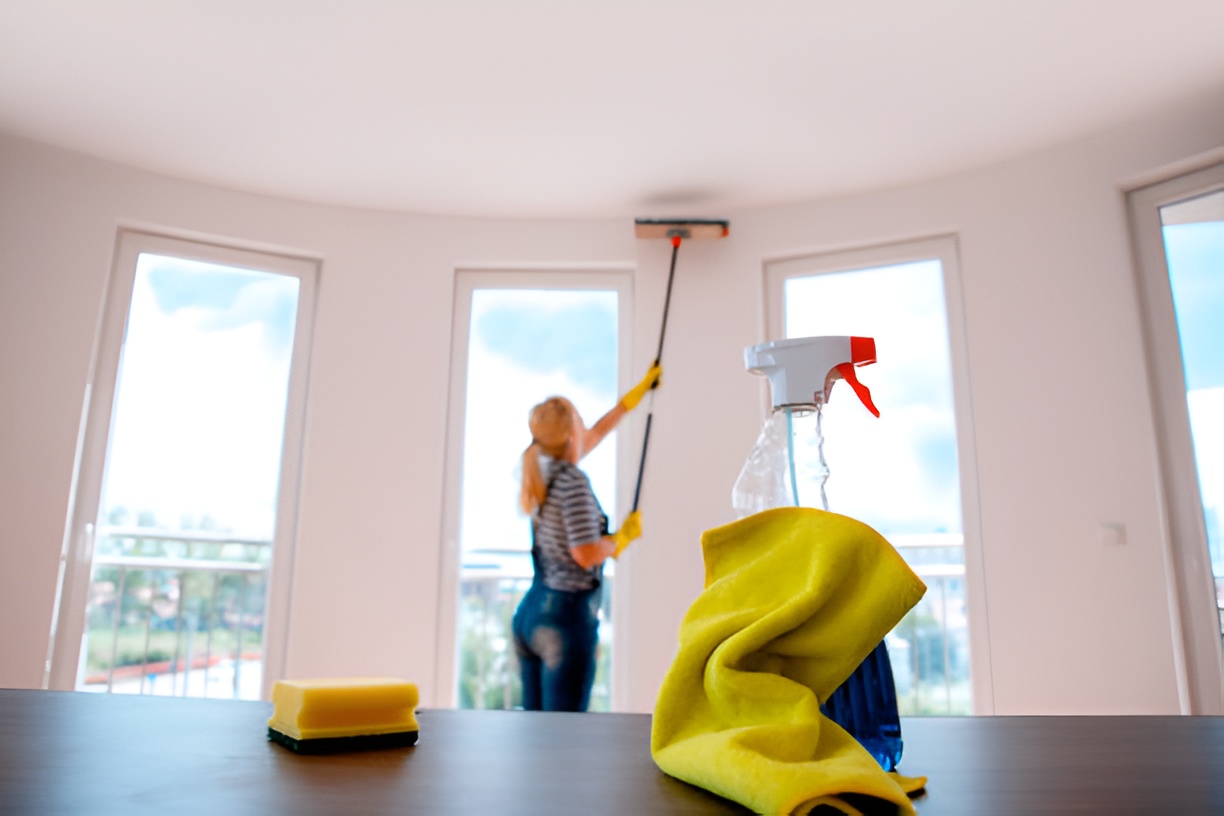
Cleaning mold is only part of the solution—prevention is just as important. Once you’ve removed mold from your ceiling, taking proactive steps can keep it from returning. Here are some practical tips:
- Improve ventilation – Proper airflow is key to preventing mold growth. Install or upgrade exhaust fans in bathrooms, kitchens, and laundry rooms to remove excess moisture. Run fans during and after showers or cooking. If possible, open windows occasionally to let fresh air circulate.
- Fix leaks immediately – Any leak, no matter how small, can create a breeding ground for mold. Regularly inspect your roof, plumbing, windows, and ceiling for signs of water intrusion. Address leaks quickly to prevent moisture buildup behind ceilings or walls.
- Control indoor humidity – Mold thrives in damp environments. Aim to keep indoor humidity below 50% using a dehumidifier, air conditioner, or by improving ventilation. Use moisture meters in problem areas if needed to monitor humidity levels accurately.
- Insulate ceilings and pipes – Poor insulation can lead to condensation on ceilings, especially in colder months. Properly insulating ceilings, attics, and exposed pipes can reduce moisture accumulation and prevent mold growth over time.
- Use mold-resistant paint – When repainting or renovating, consider using mold-resistant or moisture-resistant paint, particularly in bathrooms, kitchens, or laundry areas. These paints contain antimicrobial agents that slow mold growth.
- Perform regular inspections – Schedule seasonal checks of your ceilings, especially in high-humidity areas. Look for discoloration, water stains, or peeling paint. Early detection helps catch mold before it spreads.
- Practice consistent maintenance – Prevention is an ongoing process. Keep the ceiling and surrounding areas clean, maintain ventilation systems, monitor humidity, and repair any water issues promptly. Over time, these habits create a mold-resistant environment.
Can You Paint Over Mold?
Painting over mold is not a solution. Mold will continue to grow under the paint unless the surface is cleaned and dried first. Always remove mold completely before applying primer or paint.
What Products Are Safe for Painted Ceilings?
- Mild vinegar, baking soda, or hydrogen peroxide solutions.
- Gentle commercial mold removers labeled safe for painted surfaces.
- Avoid bleach on painted ceilings, as it may strip color or damage drywall.
Testing on a small, hidden area first is always recommended.
How Often Should You Check Your Ceilings for Mold?
- Seasonal inspections: Check ceilings at the start of summer and winter.
- After leaks or floods: Inspect immediately after water damage.
- In high-humidity areas: Inspect monthly in bathrooms or laundry rooms.
Early detection keeps mold manageable and prevents health risks.
Can Mold Affect Your Health?
Exposure to mold can lead to:
- Respiratory issues like coughing, sneezing, or wheezing
- Allergic reactions
- Eye or skin irritation
- Aggravation of asthma symptoms
Taking mold seriously protects both your home and your family’s well-being.
Should You Worry About Hidden Mold?
Yes. Mold can grow inside walls or above ceiling tiles. Signs include persistent musty odors, unexplained health symptoms, or visible mold spreading despite cleaning. Professional assessment may be necessary.
How to Maintain a Mold-Free Ceiling Long-Term
- Keep ceilings clean and dust-free.
- Monitor humidity levels and use dehumidifiers when needed.
- Clean areas prone to moisture regularly.
- Repair leaks immediately to prevent recurrence.
Consistency is key. A little prevention goes a long way.
Quick Tips for Hard-to-Reach Ceilings
- Use extendable poles with scrubbers for high ceilings.
- Step ladders should be stable and positioned safely.
- Consider professional help for very high or vaulted ceilings.
Safety is just as important as cleaning effectiveness.
Common Mistakes to Avoid When Cleaning Mold
- Ignoring protective gear and exposing yourself to spores.
- Using too much water, which can worsen mold growth.
- Painting over mold without removing it.
- Delaying mold removal, allowing it to spread.
- Choosing harsh chemicals that damage ceilings.
Avoiding these mistakes ensures a safe and thorough cleaning process.
FAQs About Cleaning Mold on Ceilings
Q: Can bleach be used to clean mold on ceilings?
A: Bleach can kill surface mold but may damage paint or drywall. Safer options include vinegar, baking soda, or hydrogen peroxide.
Q: How long does it take to remove mold from a ceiling?
A: Small areas can take 30–60 minutes. Larger infestations may require hours or professional help.
Q: Is mold removal permanent?
A: Mold can return if the source of moisture isn’t addressed. Prevention is crucial.
Q: Are there mold-resistant paints for ceilings?
A: Yes, mold-resistant or moisture-resistant paints are ideal for bathrooms and kitchens.
Q: When should I hire a professional?
A: If mold covers more than 10 square feet, keeps coming back, or is hidden in walls or ceilings, hire an expert.
Final Thoughts
Knowing how to clean mold off ceiling goes beyond just scrubbing away spots. It’s about identifying the cause, cleaning effectively, and preventing future growth. With the right tools, solutions, and preventive strategies, you can protect your home from structural damage and keep your indoor air healthy. Regular inspections, proper ventilation, and timely repairs are your best defenses against mold.