Building a new home is an exciting opportunity to create a living space that reflects your lifestyle, preferences, and long-term needs. Unlike purchasing an existing property, a new home build allows homeowners to make decisions about design, layout, materials, and finishes from the very beginning. This level of customization can make the process feel both rewarding and complex, especially for individuals who have never experienced residential construction before. Understanding what happens during each stage of the project can help homeowners feel more confident and prepared as their vision gradually becomes a reality.
A new home build involves many steps that take place over several months. From planning and site preparation to construction and final inspections, each stage plays a vital role in shaping the finished home. Working with professionals, coordinating materials, and following building regulations are all part of the process.

Planning Your Home Design and Layout
The planning stage is one of the most important phases of a new home build because it establishes the foundation for every decision that follows. During this stage, homeowners begin shaping the overall layout of the house, considering factors such as room placement, square footage, and how different spaces will be used on a daily basis. Families may think about the number of bedrooms they need, whether they want open living areas, and how the home should connect to outdoor spaces. The goal is to create a design that balances comfort, functionality, and long-term livability.
Working with a custom home builder allows homeowners to translate their ideas into practical architectural plans. Professionals can help refine design concepts, suggest layout improvements, and make sure the structure meets local building requirements. During this stage, homeowners may also begin discussing features such as ceiling heights, window placement, storage solutions, and specialty rooms like home offices or guest suites.
Preparing the Building Site and Foundation
Once the home design has been finalized, the next major step involves preparing the property where the house will be built. Site preparation typically begins with clearing vegetation, grading the land, and making sure the ground is stable enough to support construction. Contractors may also mark property boundaries, assess drainage patterns, and evaluate soil conditions before work begins. These early steps help create a safe and suitable environment for the foundation and structural components of the home.
During this stage, crews often coordinate with paving companies and other site development professionals to manage access points, driveways, and pathways around the property. Preparing the ground properly helps ensure that heavy equipment can move safely across the site while minimizing long-term issues such as uneven settling or drainage problems. After the site has been graded and compacted, the foundation can be poured or assembled according to the design plans.
Obtaining Permits and Meeting Local Requirements
Before construction can move forward, new home projects must go through a permitting and approval process. Local governments establish building regulations to help protect the safety, structural integrity, and livability of residential properties. These rules guide how homes are designed, where they can be built, and what materials and construction methods must be used. While permits may seem like a formality, they are a critical step that confirms a project meets established standards before work begins.
The permitting process usually involves submitting architectural plans, engineering details, and site information to local authorities. Officials review the documentation to verify that the proposed home follows zoning regulations, building codes, and environmental requirements. These approvals help prevent structural problems, safety hazards, and land-use conflicts that could affect surrounding properties. In some cases, additional permits may be required for electrical systems, plumbing, or other specialized aspects of construction.
During this stage, builders often work closely with municipal offices and inspectors to navigate the approval process efficiently. Experienced builders understand how to prepare the necessary documents and respond to requests for clarification or revisions. Inspections may also be scheduled throughout construction to confirm that the work continues to meet code requirements. By following these procedures carefully, builders help keep the project on schedule while maintaining compliance with local regulations.
Framing the Structure of the Home
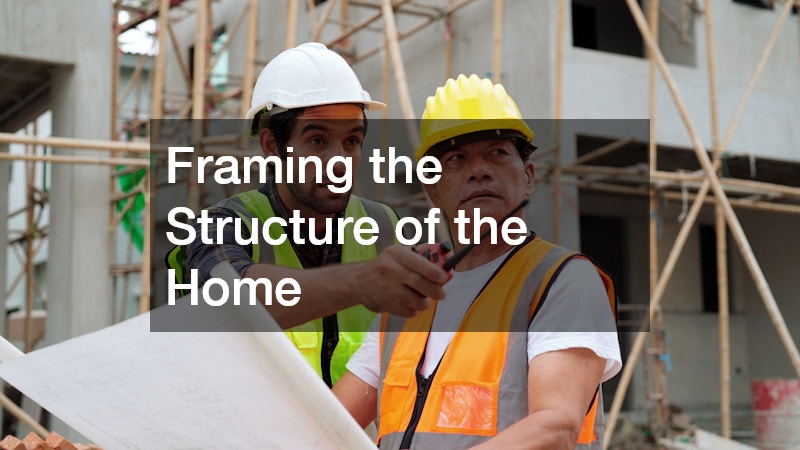
After the foundation has been completed and approved, the next major milestone is framing the structure of the home. Framing creates the skeleton that supports the entire building, outlining the walls, floors, and roof system. During this stage, construction teams assemble wooden or engineered components that form the shape and layout defined in the architectural plans. Once framing is underway, homeowners can begin to see the physical structure of their home take shape.
The framing process begins with floor systems and exterior walls, followed by interior walls and ceiling supports. Contractors carefully measure and install structural components so that the building remains level and properly aligned. Openings for windows, doors, and stairways are also created during this phase. Because the framing determines the structural stability of the house, precision and quality materials are extremely important.
Builders rely on durable building supplies to construct the frame and ensure that the home can withstand long-term stress and environmental conditions. Materials such as engineered lumber, structural fasteners, and support beams all play a role in strengthening the structure. These supplies must meet building standards so the finished home performs as expected.
Completing Roofing and Exterior Construction
Once the framing has been completed, construction teams begin working on the roof and exterior elements of the home. This stage helps protect the interior structure from weather exposure and begins transforming the building into a finished residence. Roofing materials, exterior sheathing, and protective barriers are installed to shield the home from rain, wind, and temperature changes. Completing this phase allows the project to move forward with interior systems and finishing work.
The roofing process typically starts with the installation of roof decking followed by moisture barriers and roofing materials such as shingles or metal panels. These layers work together to prevent water intrusion and maintain structural integrity. Proper installation is important because the roof serves as one of the home’s primary defenses against environmental conditions. Contractors carefully secure each component to ensure that the roof performs reliably over time.
Many homeowners rely on experienced local roofers to help complete this critical stage of construction. These professionals understand regional weather conditions and roofing techniques that support long-term durability. In addition to installing roofing materials, they may also assist with ventilation systems, flashing, and drainage components that improve the roof’s performance.
 Adding Insulation and Interior Wall Systems