When purchasing a home, understanding the costs associated with roof replacement is crucial. This article aims to guide homebuyers through the financial aspects and expectations surrounding roof replacement. Owning a home is a significant investment, and every component plays a vital role in maintaining its value. Among these, the roof stands out as a critical element that can influence the overall health and safety of the property.
Many potential homebuyers overlook the need to evaluate the condition and potential future expenses associated with a property’s roof. A comprehensive understanding of these factors can make the difference between a smart investment and unexpected financial strain. This article sheds light on these costs, offering a blueprint for homebuyers looking to make informed decisions.
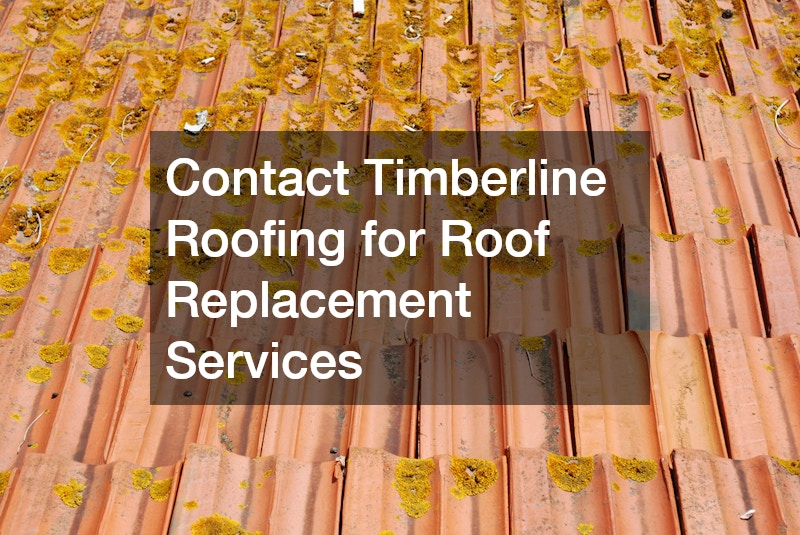
Professional services like Timberline Roofing provide valuable expertise in delivering reliable and cost-effective roof replacement solutions. Their knowledgeable assessments help homeowners navigate the often complex process of roof replacement, ensuring that the work is done efficiently and effectively. By engaging with such professionals, homeowners not only receive high-quality service but also gain peace of mind knowing their investment protects their property and maintains its value in the long term.
What Factors Influence Roof Replacement Costs?
Replacing a roof involves various costs influenced by factors such as material type, roof size, and labor expenses. One of the primary costs is material selection; roofing options can significantly differ in price. For instance, asphalt shingles tend to be less expensive, while materials like slate or metal roofing may cost more but can provide enhanced durability and longer lifespans. It’s crucial to evaluate these choices thoughtfully to ensure a balance between budget and quality for your roofing project.
The cost of roofing is significantly influenced by the size and complexity of the project. Larger roofs necessitate a greater quantity of materials and extend the labor time, leading to higher expenses. Furthermore, architectural features such as skylights, chimneys, or steeper slopes add to the intricacy of the installation process. These features not only require additional materials but also demand specialized skills and expertise from contractors. Consequently, roofs with complex designs or larger areas will increase overall costs, making it essential for homeowners to consider these factors when budgeting for a roofing project and selecting suitable contractors.
Labor costs are an additional consideration, varying by region due to the differences in minimum wage laws and local economic conditions. Homebuyers should obtain multiple quotes from certified roofing contractors who not only offer competitive prices but also demonstrate a high level of expertise and thorough professionalism. Services like those from Timberline Roofing can provide transparency and reliability in pricing.
How Often Should Roofs Be Replaced?
The longevity of a roof depends on its material and environmental factors. Asphalt shingles typically last between 20 and 25 years, while more durable materials like metal or tile can last 50 years or longer under optimal conditions. In regions with severe weather conditions, such as heavy snowfall or high winds, roofs may require more frequent inspections and possibly earlier replacement.
Environmental conditions play a pivotal role in determining the lifespan of a roof. Areas prone to consistent exposure to harsh elements may see accelerated wear on roofing materials. For this reason, conducting regular inspections and maintenance can help prolong the life of the roof and delay replacement needs. Homebuyers should factor in not only the age of the roof but also its maintenance history when assessing a potential property.
An often-overlooked element is the proper ventilation of a roof, which can significantly impact its lifespan. Adequate ventilation reduces moisture buildup, reducing the risk of rot and subsequent damage. Homebuyers should inquire about the ventilation system during property evaluations and consider potential upgrades during roof replacement to enhance the durability of their new roof.
Conclusion
Being informed about roof replacement costs and the factors influencing them allows homebuyers to make more educated decisions. The investment in a roof is not only about immediate cost but also about long-term savings and value. Understanding when and why a roof might need replacement is crucial in managing homeownership expenses effectively.
By taking the time to thoroughly assess these factors, homebuyers can negotiate smarter deals, budget appropriately, and avoid unforeseen financial burdens. Working with trusted professionals, such as those from Timberline Roofing, helps ensure that the roof remains a strong, protective asset over the years, offering both safety and security.
Additionally, a well-maintained roof contributes to the overall aesthetic appeal and energy efficiency of a home, further enhancing its market value. Engaging with knowledgeable service providers can make all the difference, turning the potential challenge of a roof replacement into an opportunity for improvement and long-term savings.