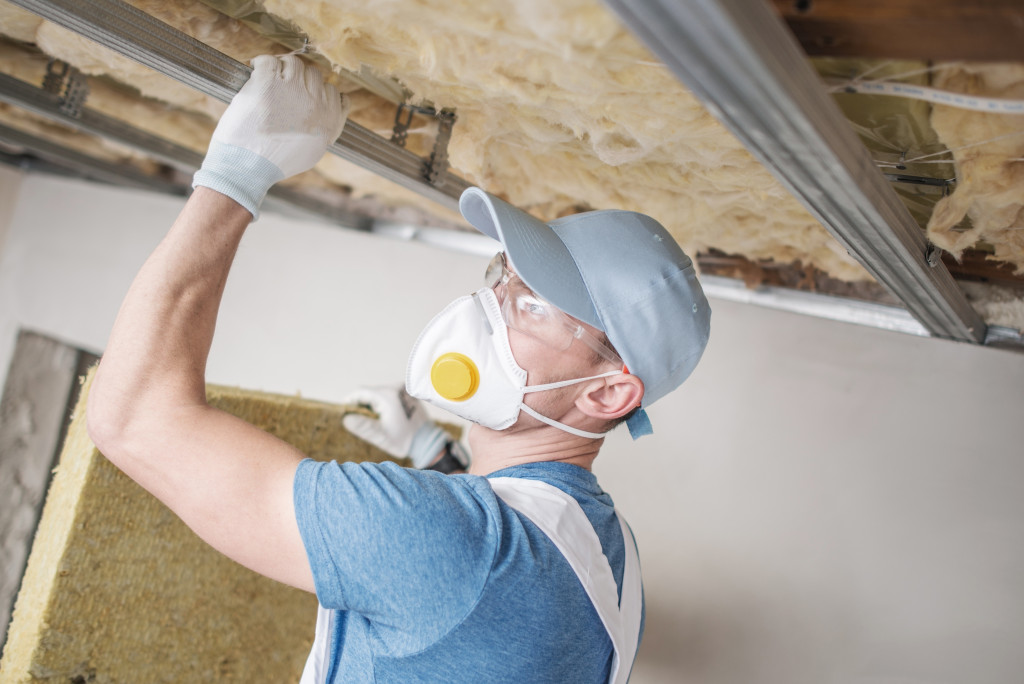
Understanding the True Cost of Major Home Upgrades
Large-scale property improvements are exciting, but they are also among the most financially complex projects a homeowner can undertake. Whether you are updating an older home, expanding living space, or modernizing essential systems, costs can escalate quickly without careful planning.
One of the most common challenges homeowners face is underestimating the full scope of work. Materials, labor, permits, design changes, and unexpected structural issues all contribute to final costs that are often higher than initial estimates. The key to success is not just setting a budget—but building a flexible financial plan that anticipates surprises.
A strong budgeting strategy allows homeowners to:
- Avoid unnecessary financial stress during construction
- Make informed decisions about upgrades and materials
- Prioritize essential improvements over cosmetic changes
- Reduce delays caused by funding shortages
- Maintain control over long-term project outcomes
In the sections below, we’ll break down how to build, manage, and protect your renovation budget step by step.
Building a Strong Financial Foundation for Your Project

Any major renovation begins with planning, and budgeting is the backbone of that process. Without a structured financial foundation, even well-designed projects can spiral out of control. The early financial planning stage is where homeowners either gain full control of their project or set themselves up for costly surprises later. Taking time to understand realistic pricing, scope limitations, and potential risks helps prevent emotional decision-making once construction is underway.
Working with a home remodeling company early in the planning phase helps ensure that cost estimates are realistic and aligned with your goals. These professionals can evaluate your property, identify potential challenges, and provide a clearer picture of total investment needs. They also help translate design ideas into practical construction budgets, which reduces the risk of underestimating labor or material requirements.
Similarly, collaborating with experienced home builders gives you insight into construction timelines, material requirements, and structural considerations that impact overall cost. Their experience with permitting, zoning requirements, and site conditions can prevent delays that often lead to budget overruns. They can also flag potential structural issues before they become expensive problems during construction.
To build a strong financial foundation:
- Start with a detailed property assessment
- Break costs into labor, materials, permits, and contingencies
- Request multiple estimates for comparison
- Prioritize essential upgrades before cosmetic improvements
- Build a contingency fund of at least 10–20%
Additional budgeting tips:
- Avoid committing to a single design too early
- Ask contractors for phased pricing options
- Track all estimates in a centralized spreadsheet
- Review financing options before construction begins
It is also helpful to separate short-term construction costs from long-term ownership costs, such as maintenance, utility increases, and potential repairs. Many homeowners focus only on upfront expenses and overlook how upgrades will affect ongoing monthly or annual spending. Factoring this into your financial foundation ensures a more sustainable renovation plan overall.
A solid foundation ensures your project begins with clarity rather than uncertainty.
Planning Interior Upgrades Without Overspending
Interior renovations often represent a significant portion of total project costs. Kitchens and bathrooms, in particular, can become expensive quickly due to plumbing, fixtures, and finish selections. Without careful budgeting, these spaces can easily consume a disproportionate share of the overall renovation budget, leaving limited funds for other important areas of the home.
A kitchen remodeling service typically includes cabinetry, countertops, appliance updates, and layout improvements. Costs can vary widely depending on materials and customization levels, making early planning essential. Homeowners often underestimate how much design changes—such as moving a sink or relocating appliances—can increase labor and permitting expenses.
A bathroom remodel service involves similar cost drivers, including tile work, plumbing adjustments, and fixture upgrades. Even small bathrooms can become costly when high-end finishes or structural changes are introduced, so it is important to balance design preferences with practical limitations.
To manage interior renovation budgets effectively:
- Choose durable, mid-range materials instead of luxury finishes
- Keep layout changes minimal to avoid plumbing or electrical relocation
- Reuse existing fixtures where possible
- Compare material suppliers for better pricing
- Set strict spending limits per room
Helpful budgeting strategies:
- Focus spending on high-use areas first
- Avoid over-customization that limits resale value
- Plan upgrades in phases if necessary
- Get itemized contractor quotes for transparency
It is also useful to establish a “cost per square foot” target for each room before work begins. This helps prevent emotional upgrades that push spending beyond what was originally planned. Lighting, hardware, and finishes should also be selected early, as last-minute changes in these categories often lead to unnecessary markups or rush fees.
Additionally, homeowners should consider how interior upgrades connect to the rest of the home’s systems. For example, updating finishes without considering plumbing condition or electrical capacity can result in hidden expenses later. Taking a systems-first approach ensures that cosmetic improvements are supported by long-term functionality.
Careful planning ensures your interior upgrades enhance both functionality and long-term value without unnecessary overspending.
Managing Structural and Surface Work Costs
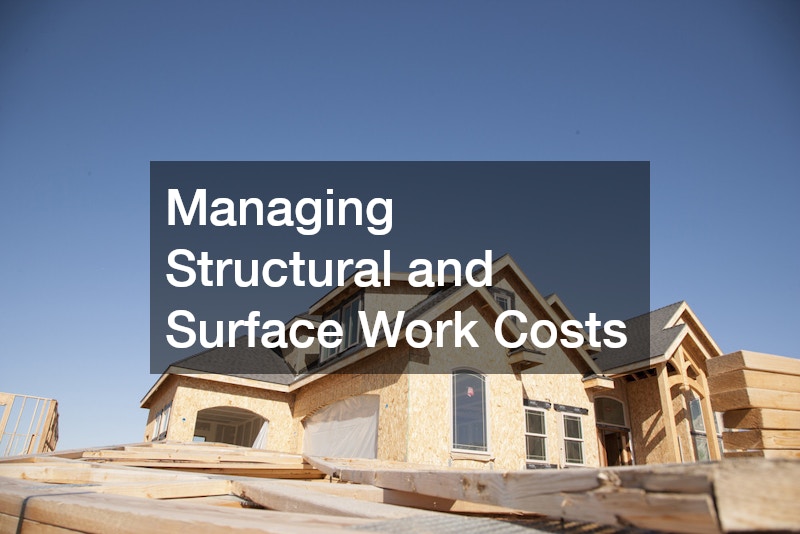
Structural and surface improvements often reveal hidden issues that significantly impact budgets. These are the types of expenses homeowners frequently underestimate because they are not always visible until work begins. Once walls are opened or surfaces are removed, contractors may uncover outdated wiring, moisture damage, or foundational weaknesses that require immediate attention and additional funding.
Dry wall installation is a common part of interior renovation work, especially in remodels involving layout changes or damage repair. Costs depend on material quality, labor complexity, and finishing requirements. For example, standard drywall installation in a simple room will cost significantly less than projects requiring fire-rated materials, soundproofing, or extensive patching due to previous damage or remodeling adjustments.
Concrete services are another major expense category, particularly for driveways, patios, foundations, and walkways. Variations in site conditions and reinforcement needs can influence final pricing. Soil stability, drainage requirements, and thickness specifications often determine whether additional excavation or reinforcement is necessary, which can quickly increase labor and material costs.
To control structural and surface costs:
- Conduct a full inspection before work begins
- Address hidden damage early in the planning phase
- Avoid unnecessary demolition
- Request detailed labor breakdowns from contractors
- Compare material options for cost efficiency
Additional considerations:
- Older homes may require extra reinforcement due to aging structural components
- Weather conditions can affect scheduling, curing times, and labor efficiency
- Unexpected repairs should always be anticipated in both timeline and budget planning
- Bulk material purchases may reduce overall expenses, especially for large-scale projects
It is also important to consider sequencing when managing structural work. Completing surface repairs before mechanical or electrical updates can lead to rework and duplicated costs. Coordinating these tasks properly ensures that each stage of construction builds efficiently on the last without unnecessary disruption.
Understanding these costs upfront helps prevent major financial surprises during construction.
Exterior Protection and Roofing Investment Planning
Exterior systems are critical to protecting your home, and neglecting them can lead to expensive long-term damage. Roofing projects, in particular, require careful budgeting due to their scale and complexity. Because the roof is your home’s primary barrier against weather, even small issues can quickly escalate into structural damage, insulation problems, or interior water intrusion if not addressed promptly.
Roof repair is often the first step in addressing exterior issues. While minor repairs may seem affordable, delaying them can lead to more extensive damage and higher costs later. What starts as a small leak or missing shingle can eventually compromise underlayment, decking, and even interior ceilings.
Residential roof replacement is a larger investment but often necessary when roofing systems reach the end of their lifespan. Factors such as material type, roof pitch, accessibility, and total square footage all play a role in final cost. Labor, disposal, and cleanup are often underestimated components of total expense.
To budget effectively for exterior improvements:
- Schedule regular roof inspections
- Address minor leaks immediately
- Compare multiple contractor estimates
- Plan roof replacements during off-peak seasons if possible
- Include disposal and cleanup costs in estimates
Financial planning tips:
- Set aside emergency funds specifically for exterior issues
- Consider energy-efficient roofing materials for long-term savings
- Evaluate warranties and coverage options carefully
- Avoid delaying urgent repairs
Coordinating roofing work with related exterior components such as gutters or siding can also reduce labor duplication and improve cost efficiency. Bundling exterior projects often streamlines scheduling and equipment use, which can result in meaningful savings. Planning ahead during off-peak seasons may also improve pricing and contractor availability.
Proper roofing investment planning protects both your home and your financial stability.
Outdoor Living and Property Enhancement Costs

Outdoor improvements can significantly increase property value, but they must be carefully budgeted to avoid overspending.
Hardscaping contractors play a key role in designing and installing outdoor features such as patios, retaining walls, walkways, and decorative stonework. These projects often require significant material and labor investment.
To manage outdoor improvement costs effectively:
- Prioritize functional outdoor spaces over decorative features
- Choose durable materials suited to local climate conditions
- Avoid overbuilding unused outdoor areas
- Plan projects in phases to spread out expenses
- Request detailed design-to-cost breakdowns
Additional budgeting strategies:
- Compare multiple design proposals
- Reuse existing landscape features when possible
- Limit unnecessary elevation or grading work
- Focus on long-term durability over short-term aesthetics
Well-planned outdoor investments enhance both usability and property value while keeping costs under control.
Mechanical Systems and Energy Efficiency Planning
Mechanical systems are essential to comfort, safety, and long-term property value. However, they are often overlooked in early budgeting stages.
HVAC Service plays a critical role in maintaining heating, cooling, and ventilation systems. Whether upgrading equipment or performing routine maintenance, these costs should be planned as part of overall renovation budgeting.
To manage mechanical system expenses effectively:
- Schedule regular system inspections
- Replace outdated units before complete failure
- Compare energy-efficient system options
- Factor installation complexity into budgeting
- Bundle upgrades when possible to reduce labor costs
Additional financial considerations:
- Energy-efficient systems can reduce long-term utility bills
- Seasonal timing can impact installation pricing
- Maintenance contracts may provide long-term savings
- System upgrades should align with overall renovation timing
Planning for mechanical systems early prevents unexpected breakdowns and costly emergency replacements.
Preparing for Unexpected Costs and Budget Flexibility
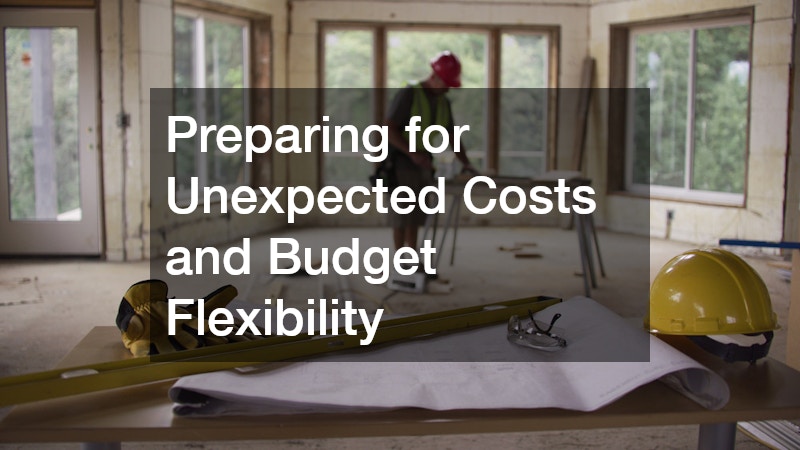
No matter how well a project is planned, unexpected costs will arise. The key is preparing for them in advance.
Common unexpected expenses include:
- Hidden structural damage
- Permit delays or revisions
- Material price fluctuations
- Labor schedule changes
- Weather-related delays
To stay financially prepared:
- Always include a 10–20% contingency fund
- Track all expenses in real time
- Avoid maxing out your entire budget upfront
- Maintain flexible design choices where possible
- Reassess budget allocation at each project phase
Key strategies:
- Keep communication open with contractors
- Adjust priorities instead of increasing debt
- Separate “must-have” and “nice-to-have” expenses
- Monitor progress against financial milestones
Flexibility is one of the most important tools in successful renovation budgeting.
Coordinating Contractors for Cost Efficiency
Managing multiple contractors efficiently can significantly reduce overall project costs and delays. Poor coordination often leads to duplicated work, scheduling conflicts, and unnecessary expenses.
Best practices for contractor coordination:
- Establish a clear project timeline before work begins
- Schedule trades in the correct sequence
- Maintain consistent communication between teams
- Request detailed scopes of work from each contractor
- Avoid overlapping tasks that create inefficiency
Financial benefits of coordination:
- Reduced labor downtime
- Fewer material waste issues
- Lower risk of rework
- Improved project completion speed
- Better budget predictability
Strong coordination ensures your project runs smoothly and stays within financial expectations.
Final Budget Review and Long-Term Planning
Once a renovation project is complete, reviewing financial performance is essential. This helps homeowners understand where money was well spent and where adjustments could improve future planning.
Key steps in final budget evaluation:
- Compare estimated vs. actual expenses
- Identify areas of overspending or savings
- Evaluate quality of completed work
- Document lessons learned for future projects
- Assess long-term maintenance needs
Ongoing financial planning should include:
- Routine maintenance budgeting
- Savings for future upgrades
- Energy efficiency monitoring
- Periodic system inspections
- Long-term property value assessments
A thoughtful final review ensures that each renovation becomes a learning experience, improving financial decision-making for future improvements.
Effective budgeting for large-scale property improvements requires more than just setting a spending limit—it demands planning, flexibility, and ongoing oversight. By understanding cost drivers, preparing for unexpected expenses, and coordinating work efficiently, homeowners can achieve successful renovations without unnecessary financial strain. With the right approach, even complex projects can be completed with confidence and long-term value in mind.