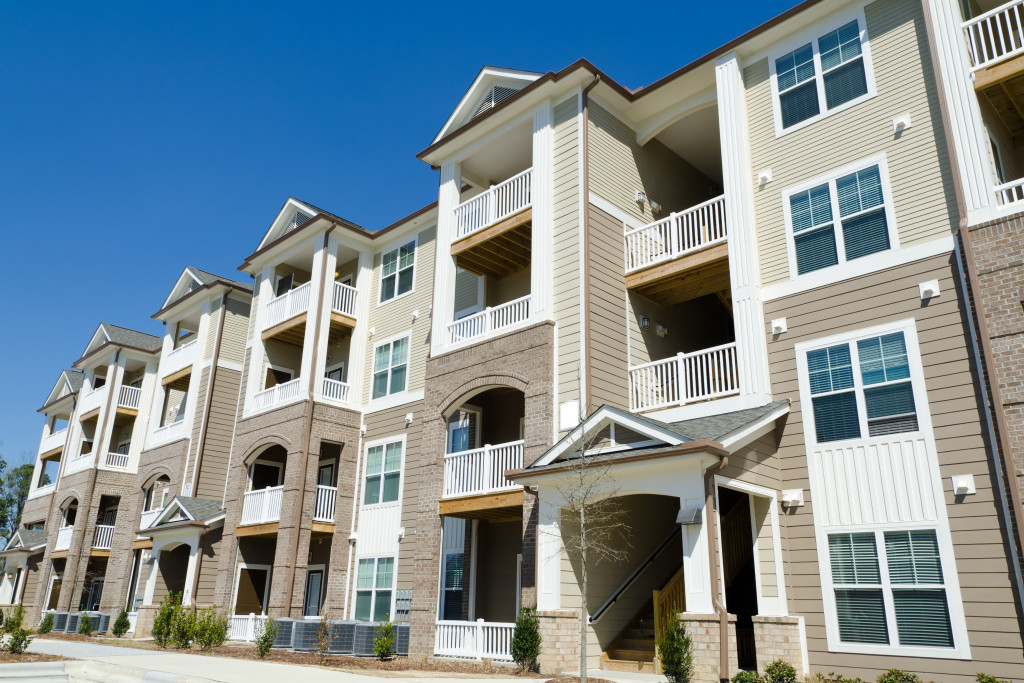
Every home sends out small distress signals long before a major system actually fails, but most homeowners do not know how to read them until something breaks at the worst possible time. A sagging ceiling, a musty smell, or a window that will not latch properly are not just cosmetic annoyances; they are often early warnings that deserve a closer look. Learning to recognize these clues can save you thousands of dollars and prevent a minor repair from turning into an emergency. This guide walks through the most common warning signs that your home is overdue for a thorough, professional once-over.
Aging Roof Shingles and Visible Water Stains
Your roof is your home’s first line of defense, and it rarely fails without warning. Curling, cracked, or missing shingles, along with granules collecting in your gutters, are signs that the roofing material is nearing the end of its useful life. Water stains on ceilings or upper walls almost always indicate an active leak, even if you cannot see it from the attic.
Ignoring these signs can lead to structural rot, mold growth, and damaged insulation that costs far more to fix than the original leak. A professional condition assessment of your roof can identify exactly which sections need attention versus a full replacement, helping you budget appropriately. Catching these issues early, before the next major storm, is always cheaper than dealing with interior water damage after the fact.
- Dark streaks or patches on ceilings, especially after heavy rain
- Shingles that are curling, buckling, or missing entirely
- Granules accumulating in gutters or at downspout outlets
- Sunlight visible through attic boards
- Sagging roof deck or soft spots underfoot in the attic
Inconsistent Temperatures and Rising Energy Bills
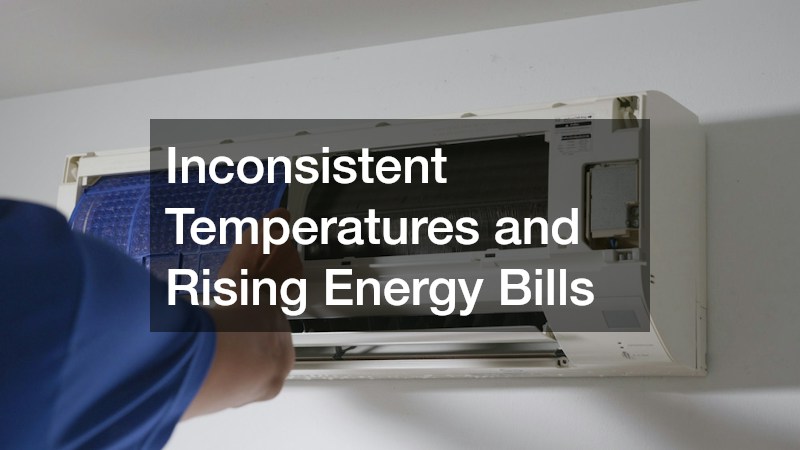
If some rooms in your house feel noticeably warmer or colder than others, or if your energy bills have crept up without a clear explanation, your HVAC system may be struggling more than you realize. Short cycling, strange noises, or a unit that runs constantly without reaching the thermostat setting are all red flags. These symptoms often point to a system that needs air conditioning repair rather than a simple filter change.
Many homeowners wait too long to call for help because the system still technically works, even as it becomes less efficient. Reaching out to reputable AC companies for an inspection before the system fails completely can extend its lifespan and improve comfort throughout the home. A technician can also check ductwork, refrigerant levels, and electrical connections that are easy to overlook during routine maintenance.
- Uneven cooling or heating between rooms
- Unusual rattling, grinding, or clicking sounds from the unit
- A noticeable spike in utility bills without increased usage
- Frequent cycling on and off
- Weak airflow from vents throughout the house
Drafty or Fogged Windows That No Longer Seal Properly
Windows that feel drafty even when closed, or that show condensation trapped between panes, have lost their ability to insulate your home effectively. A quick way to check is the candle or hand test: run your palm around the window frame on a windy day, or hold a lit candle near the edges — if you feel a draft or see the flame flicker, air is getting through. This often signals that the seals have failed, allowing air and moisture to pass through despite the window appearing shut. Fogging between panes is a telltale sign of a broken seal in double or triple-pane windows. Once moisture gets trapped inside the glass, it can’t be wiped away, and the insulating gas that once sat between the panes has likely escaped, cutting into your window’s energy efficiency. Left unaddressed, this can drive up heating and cooling costs by a noticeable margin, especially in homes with several affected windows. Beyond comfort and energy bills, failing windows can point to deeper structural concerns, including rotting frames, deteriorating caulking, or settling that has thrown the window out of square. In coastal or storm-prone regions, aging windows also pose a safety risk during severe weather, since compromised seals and weakened frames are more likely to fail under high winds or flying debris. A full inspection can determine whether a simple reseal will do or whether the windows need full replacement.
Drafty windows aren’t just an energy drain—they’re often the first visible clue that your home’s envelope is failing. Cloudy or fogged glass means the seal between panes has broken down, letting moisture seep in and reducing insulating performance. If you can feel a breeze near a closed window or notice condensation trapped between layers, that’s a sign the problem has moved beyond simple weatherstripping fixes. Homeowners in coastal or storm-prone areas increasingly consider hurricane windows as a long-term solution, since they offer both energy efficiency and protection against wind-driven debris. These impact-resistant units typically use laminated glass and reinforced frames rated to withstand winds exceeding 150 mph, which also helps deter forced entry. If your current windows are more than fifteen to twenty years old, a professional can assess whether repair is realistic or whether full window replacement makes more financial sense. Cost is naturally a factor—replacing a full set of windows can range from a few thousand dollars to well over twenty thousand depending on home size and materials, while individual seal repairs may run a fraction of that. But chronic drafts often signal deeper issues, like warped frames or settling around the rough opening, that repairs alone won’t resolve. An inspector can pinpoint whether you’re looking at a quick fix or a sign of broader structural wear. Upgrading not only improves comfort but can also lower insurance premiums in regions prone to tropical storms, sometimes by 10 to 20 percent depending on your carrier and local building codes.
- Visible fog or moisture between glass panes, a sign the seal has failed and the insulating gas has escaped
- Noticeable drafts near the frame even when windows are fully latched, often detectable by holding a lit candle or your hand near the edges
- Difficulty opening, closing, or locking the window, which can point to warped frames or foundation shifting
- Rotting or soft wood around the frame, especially at the bottom corners where water tends to pool
- Outside noise seeming unusually loud indoors, suggesting the glass or seals are no longer blocking sound as they should
- Higher-than-usual energy bills, since failing windows let conditioned air escape and force your HVAC system to work harder
- Condensation forming on interior glass during cold months, which can indicate poor insulation or ventilation issues beyond the window itself
Cracks in Walls, Foundation, or Ceiling Joints

Hairline cracks in drywall are usually harmless and related to normal settling, but wider cracks, especially those that appear diagonally near doors and windows, can indicate a shifting foundation. Doors that stick or no longer close properly, combined with visible gaps around window frames, often point to the same underlying issue. These problems tend to worsen gradually, which is why many homeowners dismiss them until they become costly.
A structural engineer or qualified inspector can determine whether the cracking is cosmetic or a sign of deeper movement in the slab or footing. Catching foundation issues early typically means less invasive and less expensive repairs. Waiting until the cracks are an inch wide usually means the fix will involve underpinning or extensive excavation work.
- Cracks wider than a quarter inch, especially diagonal ones
- Doors or windows that stick or no longer latch
- Uneven or sloping floors
- Gaps forming between walls and ceilings
- Visible separation around exterior brick or siding
Musty Odors and Slow Drains Linked to Plumbing Trouble
A persistent musty or sulfur-like smell near drains, combined with toilets that gurgle or sinks that drain slowly throughout the house, can indicate a serious problem in your sewer line. These symptoms are frequently early signs of a septic back up, which, if left unaddressed, can lead to raw sewage pooling in your yard or backing up into your home. This is not a problem to wait out, since it poses genuine health risks to your household.
If you notice multiple drains struggling at once rather than just one slow sink, the issue is likely further down the line rather than isolated to a single fixture. Scheduling a camera inspection of the main line can identify root intrusion, collapsed pipe sections, or a failing septic tank before it becomes an emergency. Addressing it early is almost always less disruptive and less expensive than an overflow situation.
- Multiple slow or gurgling drains at the same time
- Sewage odor near drains, the yard, or the septic tank area
- Unusually lush or soggy patches of grass over the drain field
- Water pooling around floor drains or basement fixtures
- Toilets that bubble when other fixtures are used
Overflowing Closets and Disorganized Storage Spaces

While it may not seem structural, chronic clutter and overstuffed closets are often a sign that your storage solutions have not kept pace with your household’s needs. Items piled on floors, doors that will not fully close, and shelving that sags under weight all point to a space that needs reassessment, not just a weekend decluttering session. This is also a good opportunity to check for hidden issues like moisture or pest activity that tend to hide behind stacks of boxes.
Installing proper closet organization systems can make a dramatic difference in how functional your storage actually is, often doubling usable space without any construction. Custom shelving, pull-out drawers, and adjustable rods let you tailor the space to what you actually own, rather than forcing everything into a one-size-fits-all layout. A home inspection is a natural time to evaluate whether your closets and storage areas are working with your lifestyle or against it.
- Sagging shelves or brackets pulling away from the wall
- Doors that no longer close due to overfilled space
- Items stored on the floor due to lack of shelving
- Musty smells or signs of moisture inside closets
- Wasted vertical space that could hold additional storage
Fallen Branches and Trees Leaning Too Close to the House
Large trees add value and shade to a property, but they can also become a serious hazard when branches hang over the roof or when a trunk begins leaning noticeably after a storm. Cracked limbs, exposed roots, and fungus growing at the base of a tree are all signs that it may be structurally compromised. These issues often go unnoticed until a storm brings a limb down onto the roof or power line.
If you notice any of these warning signs, it is worth contacting emergency tree services promptly rather than waiting for the next major storm to make the decision for you. Arborists can assess whether a tree needs trimming, cabling, or removal, and they can do so safely with the right equipment. Addressing a hazardous tree proactively is far less costly than repairing roof or siding damage after a limb falls.
- Visible cracks or splits in the trunk or major limbs
- Mushrooms or fungus growing at the base of the tree
- Leaning that has increased noticeably over time
- Dead branches concentrated in one section of the canopy
- Roots lifting the surrounding soil or pavement
Worn Outdoor Living Features That Need Attention

Outdoor spaces take a beating from sun, wind, and rain, and features like awnings often show wear long before homeowners notice. Fading fabric, rust on the frame, or a mechanism that no longer extends and retracts smoothly are all signs of age-related wear. Since these features are regularly exposed to the elements, they tend to need attention sooner than interior fixtures.
Many homeowners are now choosing retractable awnings over fixed structures because they offer flexibility, allowing shade on demand while protecting the fabric from constant sun exposure when not in use. If the motor is struggling, the fabric is torn, or the frame is visibly rusted, it is worth having the entire structure assessed rather than only patching the visible problem. A well-maintained awning not only extends outdoor living space but also reduces indoor cooling costs by blocking direct sunlight.
- Fabric that is faded, torn, or mildewed
- A retraction mechanism that sticks or moves unevenly
- Visible rust or corrosion on the frame
- Loose mounting brackets or hardware
- Water pooling on the fabric instead of draining off
Renovation Projects That Require Temporary Facilities
If your inspection reveals multiple issues that require simultaneous repair work, you may be looking at a larger renovation project than originally expected. Extensive plumbing, roofing, or structural repairs sometimes mean that parts of your home will be unusable for days or weeks at a time. Planning ahead for these disruptions makes the process smoother for everyone living in the house.
For larger projects, especially those involving extended crews or major teardown work, some homeowners rent construction restroom trailers to keep the worksite functional without interrupting daily household routines. This is particularly common when a renovation affects the only bathroom in the home or when contractors are on site for extended periods. Thinking through these logistics in advance helps keep a big repair project organized rather than chaotic.
- Multiple repairs scheduled to overlap for efficiency
- Extended contractor presence requiring facility planning
- Limited access to existing bathrooms during the work
- Need for a clear timeline agreed upon with your contractor
- Temporary storage solutions for displaced furniture or belongings
Recognizing these warning signs early puts you back in control of your home’s maintenance instead of leaving you to react to emergencies as they happen. A thorough, professional inspection can confirm which issues are urgent and which can be scheduled over time, giving you a clear plan rather than a list of worries. If you have noticed even one or two of these signs, it is worth reaching out to a qualified inspector soon rather than waiting for the problem to grow. Taking that step now is the simplest way to protect both your home’s value and your household’s peace of mind.