Adding a patio, pool, or outdoor kitchen can feel like a leap of faith when you don’t know whether it will pay off at resale. The truth is that some outdoor upgrades reliably boost home value while others are personal luxuries that buyers won’t pay extra for. Understanding the difference helps you spend your renovation budget wisely instead of guessing. This guide breaks down which outdoor living investments actually move the needle on your home’s market value.
Well-Defined Patios and Paver Walkways
A well-built patio is one of the most consistently value-adding outdoor features because it extends usable living space without the cost of a full room addition. Buyers respond to defined, finished areas rather than a plain slab of concrete, which is why paver or natural stone patios tend to outperform basic poured surfaces in appraisals. Working with a landscaping contractor to plan the layout ensures the patio connects logically to the house and existing yard grading, which matters more to resale value than the material alone.
Walkways deserve the same attention since they guide the eye and create a sense of a finished, intentional property. A path that connects the driveway, front door, and backyard living areas signals that the whole property was designed with a plan in mind.
- Choose materials that match your home’s exterior style for a cohesive look
- Ensure proper drainage slope away from the foundation
- Keep pathways at least three feet wide for comfortable two-person walking
- Consider permeable pavers in areas prone to standing water
Retaining Walls, Fire Pits, and Outdoor Kitchens
Structural additions like retaining walls, seating walls, and built-in fire pits fall under hardscaping services, and they tend to hold value better than purely decorative features because they solve real problems on the property. A retaining wall that fixes a sloped, unusable yard can effectively add square footage of livable outdoor space, which appraisers and buyers both notice. Fire pits and outdoor kitchens extend the usable season into fall and evening hours, making the whole backyard feel like a year-round amenity rather than a summer-only space.
These projects require real engineering knowledge, especially when grading, drainage, or load-bearing walls are involved. A poorly built retaining wall can crack, lean, or fail within a few years, turning a value-add into a liability.
- Ask any contractor for local permits and engineering specs on retaining walls over four feet
- Prioritize functional hardscaping before purely decorative elements
- Built-in seating around fire features maximizes usable space
- Outdoor kitchens with weatherproof materials last longer and need less upkeep
Swimming Pools Built for Long-Term Resale Appeal
Pools are polarizing in the value conversation because they can either be a strong selling point or a maintenance burden that scares off buyers, depending on the region and the build quality. In warm climates where pools are expected, a well-designed pool can genuinely boost marketability, while in cooler climates it may not recoup its cost. Working with custom pool builders who understand local soil conditions, code requirements, and energy-efficient equipment makes a significant difference in both upfront cost and long-term appeal.
Buyers today are also drawn to pools that look integrated into the landscape rather than dropped into the middle of a lawn. Features like tanning ledges, water features, and surrounding hardscape make a pool feel like part of a cohesive outdoor living plan instead of an isolated structure.
- Research your local market before committing to a pool as a value strategy
- Ask about energy-efficient pumps and variable-speed motors to lower operating costs
- Consider a smaller plunge pool if space or budget is limited
- Fencing and safety code compliance are non-negotiable for resale
Overall Yard Layout and Planting Design
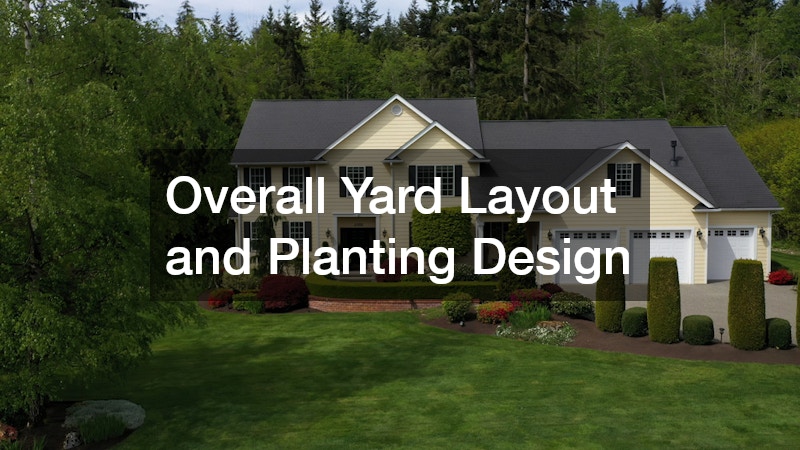
Curb appeal studies consistently show that thoughtful landscape design adds measurable value at resale, often more than buyers initially expect. Estimates vary, but well-executed landscaping can return anywhere from 5% to 15% of a home’s value, and it’s frequently the first thing that shapes a buyer’s impression before they even walk through the front door.
A yard that looks intentional, with layered plantings, defined beds, and a clear sense of flow between spaces, reads as well-maintained and cared for. Layering typically means combining low groundcover or perennials, mid-height shrubs, and small ornamental trees so the eye moves naturally from one level to the next rather than landing on a flat expanse of grass and a few scattered bushes.
This is different from simply having a green lawn; it’s about creating a design that feels finished and proportional to the house. Bed lines should echo the architecture, curving where the home has softer lines or staying crisp and geometric for more modern facades, and plant sizes at maturity should be considered so foundation plantings don’t outgrow their space within a few years.
Practical considerations matter too: grouping plants by water needs, choosing regionally appropriate species, and mulching beds cleanly all contribute to that “finished” look without demanding constant upkeep. A yard that balances structure with low-maintenance choices signals to buyers that the outdoor space was planned, not an afterthought.
Many homeowners benefit from consulting landscape design services early in a renovation, even if they plan to do some of the planting themselves. A professional eye can prevent costly mistakes like overplanting, poor plant placement near the foundation, or choosing species that won’t thrive in the local climate.
A solid layout starts with basic zoning: separating entertaining areas, quiet retreats, and utility spaces like sheds or compost bins so the yard feels intentional rather than crowded. Sightlines matter too — a good landscape design draws the eye toward a focal point, whether that’s a mature tree, a water feature, or the back porch itself, rather than leaving the space feeling flat or cluttered.
Plant selection deserves just as much thought as hardscaping. Trees and shrubs planted too close to the house, typically within 3 to 5 feet of the foundation depending on their mature size, can cause root intrusion or moisture problems down the line. Choosing native or climate-adapted species also cuts down on water bills and maintenance, since these plants are already suited to local rainfall and soil conditions.
Layering plant heights — groundcover, mid-size shrubs, and taller trees — creates visual depth and helps the landscape look established faster, which appraisers and buyers both tend to notice. A thoughtful design also accounts for seasonal change, mixing evergreens with plants that bloom or change color at different times of year so the yard doesn’t look bare for half the year.
- Group plants by water and sunlight needs (hydrozoning) to simplify irrigation and cut maintenance time
- Use native species to reduce long-term water and fertilizer costs while supporting local pollinators
- Create layers with trees, shrubs, and groundcover for visual depth and a more finished, professionally landscaped look
- Keep sightlines open near entryways and driveways, trimming plantings below 3 feet for safety and curb appeal
- Define distinct zones—dining, lounging, garden beds—using low hedges, pavers, or mulch borders to guide flow
- Choose a limited color palette of 3-4 recurring plant varieties to create cohesion instead of a cluttered mix
Consistent Lawn Health and Routine Maintenance
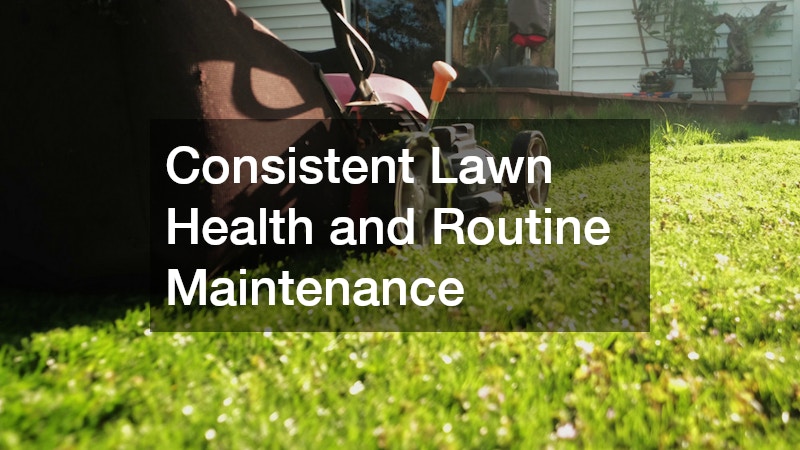
No amount of hardscaping or design can compensate for a patchy, weed-filled lawn, since it’s often the first thing a buyer notices from the street. Keeping grass cut at the proper height with a reliable lawn mower, whether push, riding, or robotic, prevents scalping and encourages deeper root growth. A healthy lawn also serves as a visual frame that makes every other landscaping investment look more polished.
Regular mowing needs to be paired with proper feeding and pest management to keep grass thick and green throughout the growing season. Many homeowners find that scheduling a lawn fertilizing service on a seasonal basis produces far more consistent results than sporadic DIY applications, since timing and nutrient balance matter as much as the product itself.
- Mow at the correct height for your grass type, typically two and a half to three inches
- Avoid mowing wet grass to prevent disease spread
- Aerate compacted soil once or twice a year
- Apply fertilizer based on soil test results rather than guesswork
Efficient Watering Systems for Healthy Landscapes
Water management is one of the most overlooked factors in landscape value, yet it directly affects whether plants, trees, and lawns thrive or struggle. Manual hose watering is time-consuming and often inconsistent, leading to overwatered patches and dry spots that show up as visible stress in the lawn. Professional lawn irrigation services can design a zoned system that delivers the right amount of water to different plant types based on their specific needs.
A well-designed irrigation system also protects the investment made in hardscaping and planting by preventing erosion, runoff, and root damage from inconsistent watering. Smart irrigation controllers that adjust based on weather data are increasingly popular because they reduce water waste while keeping landscaping consistently healthy.
- Zone irrigation by plant type and sun exposure for efficiency
- Install rain sensors to prevent watering during storms
- Schedule watering in early morning hours to reduce evaporation loss
- Inspect sprinkler heads seasonally for clogs or misalignment
Layered Lighting for Nighttime Curb Appeal and Safety
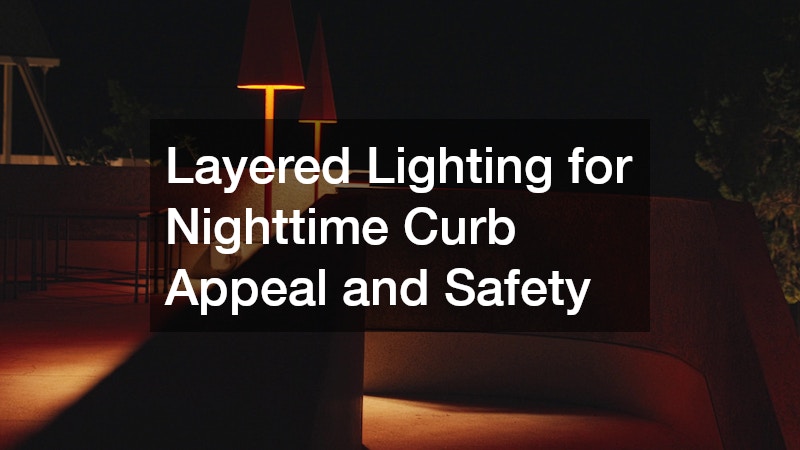
Outdoor lighting extends the usable hours of a backyard and dramatically changes how a property is perceived after dark, which matters more to buyers than many homeowners realize. A thoughtfully planned landscape lighting installation highlights architectural features, trees, and walkways while also improving safety along steps and paths. Path lights, uplighting on trees, and subtle accent lighting on hardscaping create a layered effect rather than one harsh floodlight washing out the whole yard.
Many homeowners are now switching to permanent outdoor lights integrated into the roofline or eaves, which offer year-round accent lighting and can be programmed for holidays or everyday use without the hassle of hanging temporary strings. This kind of fixed lighting is increasingly seen by buyers as a modern, low-maintenance upgrade rather than a decorative extra.
- Use warm-toned LED bulbs for a natural, inviting glow
- Highlight three to five focal points rather than lighting the entire yard evenly
- Install motion-sensor lights near entry points for added security
- Choose weatherproof, low-voltage fixtures to reduce energy use and upkeep
Realistic Budgeting and Return Expectations
Not every outdoor project returns its full cost at resale, so it helps to set realistic expectations before committing significant money to any single feature. According to various remodeling cost-versus-value reports, a well-built wood deck often recoups 65-90% of its cost, while a stone patio or upgraded landscaping can return 50-100% depending on the region and market conditions. Elaborate additions like custom water features, pergola-covered kitchens, or high-end pizza ovens frequently return less than half their cost, simply because far fewer buyers are willing to pay extra for such specific, personalized features.
Smaller, functional upgrades like defined patios, updated lighting, and healthy lawns tend to offer more consistent returns than large, highly personalized features like elaborate water features or oversized outdoor kitchens. A basic 200-300 square foot patio, fresh sod, and a simple path lighting system can often be completed for a few thousand dollars and still make a strong impression during showings. These projects work because they photograph well, require little explanation, and signal that the property has been cared for.
Buyers generally pay for usability and low-maintenance appeal rather than novelty. Before starting any project, it’s worth asking whether the feature will appeal to a broad range of future buyers or only to your own tastes, and whether ongoing upkeep costs (irrigation, pool maintenance, specialty plantings) might actually discourage offers. A good rule of thumb is to keep outdoor spending in the 10-15% range of your home’s current value, and to prioritize repairs and structural fixes—like a cracked patio slab or failing fence—before investing in new amenities.
It’s also worth phasing projects over time rather than attempting everything in a single season. Trying to finance a full outdoor overhaul at once often leads to compromises like cheaper materials or skipped permits, both of which can undercut resale value later.
Starting with structural and health-focused improvements makes the most sense financially. Grading, drainage correction, deck or patio foundations, and electrical work for outdoor lighting should come first, since these are the elements home inspectors and appraisers actually scrutinize.
Once the bones are solid, layering in aesthetic upgrades like lighting, planting design, and furnishings can happen over subsequent seasons as budget allows. A reasonable phased approach might spread a $25,000 project across two or three years: $12,000–$15,000 for hardscaping and structure in year one, followed by $5,000–$8,000 for landscaping and lighting, then final touches like outdoor kitchens or fire features once the core investment has settled.
This staggered approach spreads out cost without sacrificing the cohesive finished look that buyers and appraisers respond to. It also gives homeowners flexibility to adjust plans based on how earlier phases perform, rather than locking in every decision upfront.
- Prioritize repairs and drainage issues before cosmetic upgrades — fix grading, downspouts, or foundation cracks first since water damage can erase any value your new patio adds
- Get multiple quotes (at least three) before committing to large hardscaping or pool projects, and ask each contractor for a written breakdown of materials, labor, and timeline
- Track comparable home sales in your area to gauge realistic returns, paying attention to whether similar-priced homes nearby actually have outdoor features like decks or kitchens
- Avoid over-personalizing features that limit broad buyer appeal, such as elaborate koi ponds, single-use sports courts, or unusual color choices in permanent hardscaping
- Set aside a 10-15% contingency fund for unexpected costs like soil issues, permit delays, or utility relocations
- Recoup expectations vary by project — a simple deck often returns 50-70% of cost, while custom pools rarely break even at resale
Outdoor living spaces can genuinely boost your home’s value, but only when the improvements are functional, well-built, and appropriately scaled to your property and market. Start with the fundamentals like healthy soil, efficient watering, and solid hardscaping before moving on to pools, lighting, or elaborate design features. Taking a phased, informed approach protects your budget while still building an outdoor space you can enjoy long before you ever think about selling.