Your home is really a collection of interconnected systems that each have their own rhythm of wear, rest, and repair. When you tackle maintenance in sync with the seasons, you catch small issues before they become expensive emergencies and extend the life of equipment you have already paid good money for.
This checklist walks through what deserves your attention in spring, summer, fall, and winter, so nothing falls through the cracks. Think of it as a roadmap for protecting your investment year-round, no matter what climate you live in.
Spring Checks for Cooling and Air Quality
As temperatures climb, your cooling system shifts from dormant to essential almost overnight, which is exactly why spring is the smartest time to get ahead of problems. Scheduling AC service before the first real heat wave means a technician can clean coils, check refrigerant levels, and test the thermostat response while demand for appointments is still manageable. Waiting until July often means longer wait times and the discomfort of a sweltering living room while you wait your turn.
Beyond the outdoor unit, spring is also the time to swap filters, vacuum vents, and look for signs of mold or musty odors from winter condensation buildup. A little attention now prevents the system from working harder than it needs to once the real heat arrives.
- Replace or clean air filters every one to three months during peak usage
- Clear debris, leaves, and mulch away from the outdoor condenser unit
- Test the thermostat batteries and programmable settings
- Listen for unusual rattling, clicking, or grinding sounds at startup
Spring Inspection of Roofing and Exterior Drainage

Winter is tough on roofs, with ice, wind, and freeze-thaw cycles loosening shingles and weakening flashing around chimneys and vents. A walk around your property in early spring, binoculars in hand, can reveal curling shingles, granule loss in the gutters, or soft spots that signal more serious damage. Catching these details early often means a simple patch job rather than discovering a leak mid-storm season.
If your roof is nearing the end of its expected lifespan or you spot widespread damage, this is the season to start getting quotes for a roof replacement rather than waiting for a collapse or active leak to force your hand. Contractors tend to have more flexible scheduling in spring before summer storm demand picks up, and you will have time to compare materials, warranties, and pricing without the pressure of an emergency.
- Check for missing, cracked, or curling shingles
- Inspect flashing around chimneys, skylights, and vent pipes
- Clean gutters and downspouts of winter debris
- Confirm water is draining away from the foundation, not pooling near it
Spring Preparation of Lawns and Outdoor Landscaping
Your yard wakes up fast once soil temperatures rise, and getting ahead of weeds, thatch, and compacted soil pays off for the rest of the growing season. Aeration, overseeding, and a balanced fertilizer application in early spring give grass roots the head start they need before summer heat stresses the lawn. If you are not confident identifying your grass type or soil needs, professional lawn care services can run a quick soil test and tailor a treatment plan instead of guessing with a one-size-fits-all bag of fertilizer.
Spring is also when irrigation systems should be checked for winter damage, since cracked pipes or broken sprinkler heads waste water and leave dry patches. Running a quick test cycle before you need the system daily helps you catch leaks while repairs are still simple.
- Rake up dead thatch and debris from winter
- Aerate compacted soil to help water and nutrients reach roots
- Apply a slow-release spring fertilizer suited to your grass type
- Inspect sprinkler heads and irrigation timers for damage or drift
Summer Monitoring of HVAC Performance and Energy Use
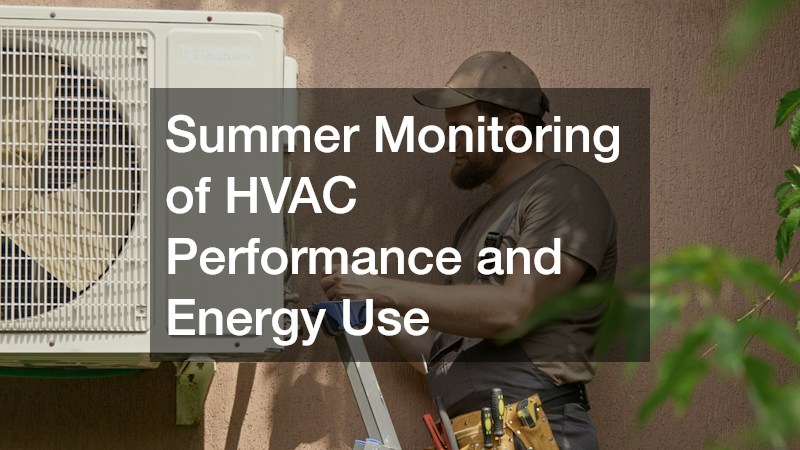
Once your cooling system is running daily, summer becomes less about setup and more about monitoring performance under real load. A sudden spike in your energy bill, uneven cooling between rooms, or a system that runs constantly without reaching the set temperature are all signs something needs attention. Rather than waiting for a full breakdown, many homeowners find it worthwhile to schedule a mid-summer check with HVAC services to confirm everything is operating efficiently during peak demand.
Ductwork deserves a look too, since leaky or poorly insulated ducts can quietly waste a significant portion of your cooling output before it ever reaches your living space. If certain rooms never seem to cool properly no matter how low you set the thermostat, that is often a duct or airflow issue rather than a problem with the unit itself.
- Track monthly energy bills for unexplained spikes
- Note any rooms that consistently run warmer than others
- Check that outdoor vents and returns remain unblocked by plants or furniture
- Listen for short-cycling, where the system turns on and off more frequently than normal
Summer Care for Plumbing and Water Systems
Heavy summer usage, from garden hoses to extra laundry loads to houseguests, puts real strain on plumbing that often goes unnoticed until something backs up. Slow drains, gurgling sounds, or recurring clogs are early warnings that buildup is accumulating somewhere in the line. Scheduling drain cleaning before a clog becomes a full blockage is far less disruptive than dealing with a backed-up sink or tub in the middle of a holiday weekend.
Outdoor plumbing deserves equal attention during summer, since hose bibs, irrigation lines, and exterior faucets see heavier use than any other time of year. If you notice a persistent leak, unusually low water pressure, or a strange smell near any fixture, calling a plumber sooner rather than later can prevent water damage that is far costlier to repair than the original issue.
- Watch for slow-draining sinks, tubs, or showers
- Check exterior faucets and hose connections for leaks
- Listen for gurgling sounds coming from drains
- Inspect visible pipes under sinks for moisture or corrosion
Summer Readiness for Severe Weather Events
Summer storm season brings a mix of threats, from high winds and hail to the more serious risk of tornadoes depending on where you live. If you live in an area prone to severe weather, this is the season to evaluate whether your family has a reliable place to shelter during a warning. Many homeowners in tornado-prone regions choose to install an above ground tornado shelter in a garage or basement area, since it offers a dedicated safe space without the excavation required for an underground option.
Beyond shelter planning, it is worth reviewing your emergency kit, communication plan, and the condition of trees or large branches near your home that could become hazards in high wind. A few hours of preparation in early summer can make a real difference if severe weather strikes later in the season.
- Identify the safest interior room or dedicated shelter in your home
- Stock an emergency kit with water, flashlights, and a battery-powered radio
- Trim weak or overhanging tree branches near the house
- Review your family’s communication plan in case of separation during a storm
Fall Attention to Heating Systems Before Cold Weather Hits
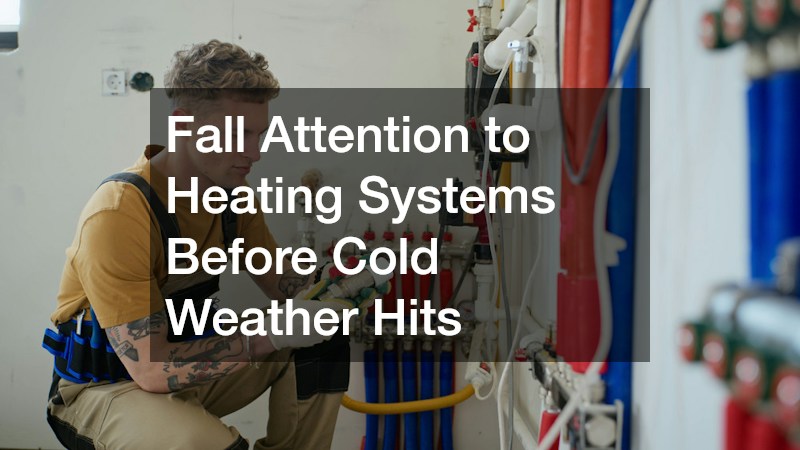
Just as spring is the time to prepare cooling equipment, fall is when your furnace or heat pump deserves the spotlight before the first cold snap arrives. An experienced HVAC contractor can inspect heat exchangers, test ignition systems, and confirm carbon monoxide detectors are functioning properly, which is especially important for gas furnaces. Skipping this step means you might not discover a problem until the first genuinely cold night, when repair crews are booked solid, and you are stuck without heat.
It is also a good time to reconsider your filter schedule, since heating systems pull air through the same ductwork as your cooling system and accumulate dust just as quickly. A clean filter not only improves air quality but also reduces strain on the blower motor during the months it will be running most.
- Test carbon monoxide and smoke detectors near heating equipment
- Replace furnace filters before the heating season begins
- Inspect visible ductwork for gaps, disconnections, or crushed sections
- Bleed radiators or check baseboard heaters if your home uses hot water heat
Fall Review of Septic and Underground Systems
Underground systems rarely announce problems until they become serious, which makes fall an ideal time for a proactive check before the ground freezes and access becomes difficult. Slow drains throughout the house, soggy patches in the yard near the tank, or a sewage odor are all signs that septic tank pumping may be overdue. Most households benefit from having the tank inspected and pumped every three to five years, though usage and household size can shift that timeline.
Cold weather also makes septic repairs more complicated and expensive, since frozen ground can delay excavation work for weeks. Addressing any warning signs in fall, while the ground is still workable, often saves both time and money compared to an emergency winter repair.
- Watch for soggy or unusually green patches above the drain field
- Note any sewage odors near the tank or inside the home
- Keep a record of your last pumping date and household water usage
- Avoid parking vehicles or heavy equipment over the tank or drain field
Fall Projects for Concrete and Exterior Surfaces
Cracks in driveways, walkways, and patios tend to worsen dramatically once winter freeze-thaw cycles get hold of them, so fall is the last practical window to address damage before cold weather sets in. Small cracks can often be sealed as a DIY fix, but larger sections of crumbling or uneven concrete usually call for professional repair or replacement. If you are planning a larger project, arranging concrete delivery in fall avoids the scheduling backlog that often hits in early spring when everyone has the same idea at once.
Beyond driveways, check steps, porches, and any exterior concrete surfaces for settling or tripping hazards. These issues tend to be more than cosmetic, since water that pools in low spots can seep underneath and accelerate the damage once it freezes.
- Fill small cracks before winter moisture can expand them
- Check for uneven slabs that create tripping hazards
- Reseal driveways and walkways if the surface looks porous or faded
- Plan larger concrete projects before scheduling fills up in spring
Winter Safeguards for Pipes and Water Lines
Frozen pipes remain one of the most common and preventable winter emergencies homeowners face, and a little preparation goes a long way. Insulating exposed pipes in crawl spaces, garages, and attics before the first hard freeze can prevent the kind of burst that floods a basement overnight. Foam pipe sleeves are inexpensive and easy to install, but in especially cold climates or for pipes running along exterior walls, heat tape offers an extra layer of protection.
Don’t overlook the outside of the house, either. Disconnect and drain garden hoses, shut off any interior valves that feed outdoor spigots, and install insulated faucet covers to protect hose bibs from freezing solid. Letting faucets drip slightly during extreme cold snaps keeps water moving and reduces the chance of a freeze inside the line. This is especially important for pipes on exterior walls or in unheated areas, since moving water is far less likely to reach freezing temperature than standing water.
It is also worth knowing where your main water shutoff valve is located before you need it in an emergency, since every minute counts once a pipe does burst. Most homes have this valve near the water meter, in a basement, crawl space, or utility closet, so take a few minutes now to locate it and make sure the handle isn’t rusted or stuck. Consider labeling it clearly and showing every adult in the household how to turn it off, since a burst pipe can release over 100 gallons of water in a single hour.
Beyond knowing your shutoff valve, a few other habits can reduce your risk significantly. Keep your thermostat set no lower than 55°F even when you’re away, disconnect and drain garden hoses before the first hard freeze, and open cabinet doors under sinks on exterior walls to let warm air circulate around the pipes. On especially cold nights, letting faucets drip slightly can relieve pressure buildup and prevent freezing in vulnerable lines. Taking these precautions seriously each winter protects both your plumbing and the rest of your home from costly water damage.
- Insulate pipes in unheated spaces like garages, attics, and crawl spaces using foam sleeves or heat tape, paying extra attention to any pipes along exterior walls
- Seal gaps and cracks near pipe entry points where cold air seeps in, using caulk or spray foam
- Disconnect and drain garden hoses before the first freeze, and shut off any dedicated exterior water valves
- Install insulated covers on outdoor faucets (hose bibs) for added protection
- Let faucets drip slightly during extreme cold (below 20°F) to relieve pressure and prevent frozen or burst pipes
- Open cabinet doors under sinks on exterior walls to let warm air circulate around plumbing
- Know the location of your main water shutoff valve and make sure every household member knows how to use it in an emergency
- Keep your thermostat set no lower than 55°F, even when away, to protect interior pipes
Conclusion
Staying ahead of your home’s systems does not require a complete overhaul of your weekends, just a willingness to check the right things at the right time of year. Use this seasonal rhythm as a starting point, then adjust it based on your home’s age, climate, and the specific quirks you have already learned to watch for. The homeowners who avoid costly surprises are rarely the luckiest ones; they are simply the ones who looked a little closer before a small problem had the chance to grow. Start with whichever season is next on the calendar and build the habit from there.