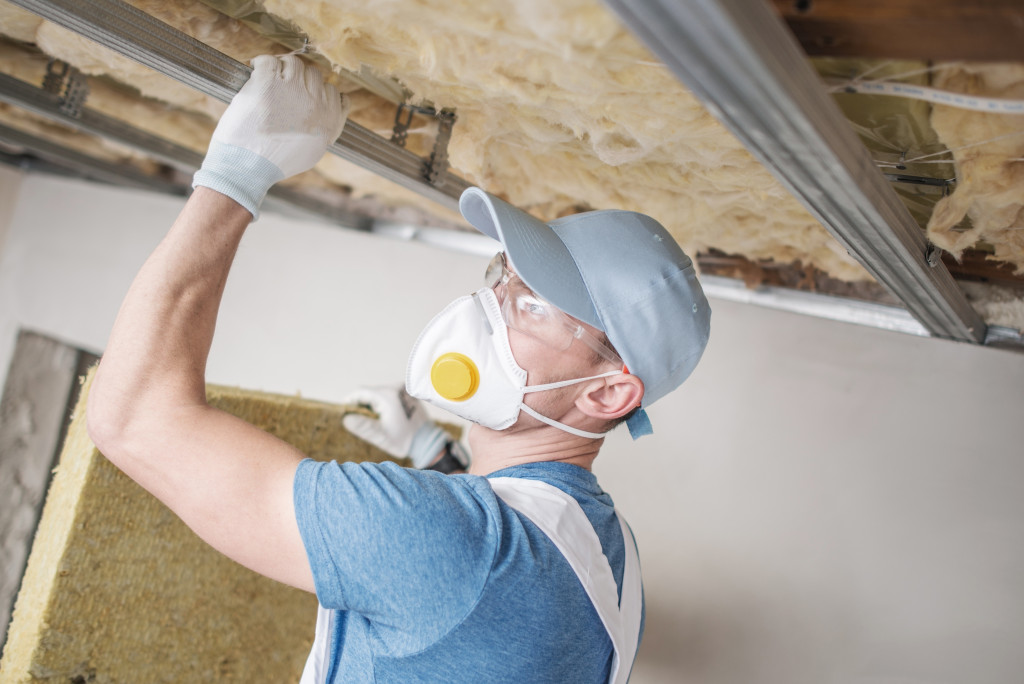
Purchasing a distressed property presents a unique blend of high-stakes challenge and immense financial opportunity. For real estate investors, heritage home enthusiasts, and ambitious property owners, transforming a severely neglected house into a beautiful, functional home requires much more than just enthusiasm and a toolbox. It demands a rigorous, highly organized strategy. Without a clear plan of action, rehabilitation projects can quickly spiral out of control, consuming budgets and extending timelines far beyond original estimates. The excitement of a new acquisition can rapidly fade when unforeseen structural complications or environmental hazards arise. This is why experienced renovators always emphasize the importance of a systematic approach that addresses core issues before moving to superficial details.
The secret to a successful overhaul lies in understanding the correct order of operations. Jumping straight into cosmetic upgrades like paint, wallpaper, or fancy flooring before addressing deep-seated structural issues is a recipe for disaster. This comprehensive blueprint outlines how to systematically revive a compromised property from the ground up. By focusing first on safety, then on structural integrity, and finally on interior comfort, anyone can navigate the complexities of property restoration with confidence and precision. The following guide breaks down the essential phases of rehabilitation, ensuring that every dollar spent contributes directly to the long-term value, safety, and marketability of the home. Taking the time to execute each phase properly will protect your investment and build a solid foundation for all future aesthetic enhancements.
Initial Site Assessment and External Clearing
Before anyone steps inside a distressed home with tools or materials, the exterior perimeter must be thoroughly evaluated and made safe for workers. Years of neglect often leave a property overgrown with invasive vegetation, dead trees, and heavy, hazardous limbs hanging precariously over the roof line. Failing to address these exterior hazards early can lead to severe structural damage if a weak branch falls during an unexpected storm or a gust of wind. Overgrown brush can also hide structural defects or dangerous terrain features from view, creating unexpected liabilities and slowing down the initial survey process.
Property owners should begin by auditing the landscape for signs of decay, rot, or instability. Overgrown roots can easily lift walkways, compromise sewer lines, and crack underground utilities if left unchecked. To mitigate these immediate dangers, arranging for a certified local tree removal service is a vital initial step. Clearing away hazardous timber opens up the workspace, allows sunlight to dry out damp areas near the building envelope, and provides heavy machinery with clear access to the structure. This initial clearing ensures that subsequent phases of the renovation can proceed safely without the constant threat of falling debris or blocked pathways, creating a clean canvas for exterior restoration.
Establishing the Structural Baseline
With the surrounding landscape cleared and safe, attention must shift immediately to the lowest point of the building. A house is only as stable as the earth it rests upon, and distressed properties frequently suffer from severe structural movement. Over time, shifting soil, poor water drainage, and expansive clay can cause a building to settle unevenly, resulting in cracked walls, jammed doors, and sloping floors. These symptoms are clear indicators that the underlying support system is compromised and requires immediate, decisive remediation before any interior work begins.
Identifying structural instability early prevents thousands of dollars in wasted interior work later in the project. Rehabilitators should look for telltale diagonal cracks near window frames, shifting lintels, and significant gaps between the walls and the ceiling. Addressing these fundamental issues requires professional intervention to lift, stabilize, and secure the load-bearing elements of the home. Investing in comprehensive foundation repair ensures that every single renovation dollar spent on the upper levels is completely protected. Once the core structure is perfectly level and stabilized, the rest of the restoration work can proceed on a secure, dependable plane, ensuring that walls stay straight and newly installed finishes remain pristine.
Restoring Exterior Stone and Brick Components
Once the underlying structural support is stabilized, the exterior masonry elements require careful inspection and revitalization. Distressed properties often feature brick facades, chimneys, or retaining walls that have weathered decades of freeze-thaw cycles without proper upkeep or maintenance. Cracked mortar joints and loose bricks are not just cosmetic flaws; they allow moisture to penetrate deep into the wall cavities, causing hidden wood rot, structural degradation, and mold growth inside the living spaces.
Restoring these architectural elements requires the delicate touch of someone who understands proper mortar mixes, historical accuracy, and structural weight distribution. Hiring an experienced masonry contractor allows property owners to rebuild crumbling chimneys, repair retaining walls, and perform essential tuckpointing on weathered brickwork. Sound masonry acts as the first line of defense against severe weather conditions, sealing the home against wind and driving rain while simultaneously restoring the classic architectural charm that drives up appraisal values in competitive real estate markets, making the property stand out to potential buyers.
Remediation of Patios, Driveways, and Flatwork
The ground-level pathways surrounding a distressed home contribute heavily to both safety and curb appeal. Neglected properties often feature severely cracked driveways, sunken concrete patios, and broken entry steps that present significant trip hazards for visitors, inspectors, and tradespeople alike. Additionally, when external slabs slope toward the home rather than away from it, they funnel rainwater directly into the basement or crawlspace, undermining the recent structural fixes and creating chronic moisture problems.
To remedy these drainage and safety issues, un-level or broken surfaces must be systematically broken up and repoured correctly. Working with a skilled concrete contractor ensures that new driveways, walkways, and patios are engineered with the proper thickness, reinforcement, and slope. Properly graded flatwork keeps water moving away from the main building, protecting the newly repaired structural base while creating a clean, modern aesthetic that immediately boosts the property’s exterior marketability and visual appeal. This step bridges the gap between raw structural stability and polished external presentation.
Securing the Structural Envelope Against Invertebrates
A vacant, neglected house is highly attractive to a wide variety of opportunistic pests. Termites, carpenter ants, and wood-boring beetles can quietly destroy the structural framing of a home from the inside out, often leaving little visible evidence until the damage is severe and costly to fix. Before closing up any walls, repairing drywall, or installing insulation, a complete environmental sweep of the interior and exterior is absolutely essential to ensure long-term habitability.
Rehabilitators must implement an aggressive strategy to identify, isolate, and eliminate these hidden threats completely. Bringing in licensed professionals to deploy targeted pest control measures ensures that existing colonies are completely wiped out and future invasions are effectively blocked. Treating the raw wood framing and the surrounding perimeter soil establishes a dependable protective barrier, guaranteeing that the new interior finishes will not be ruined by wood-destroying insects down the road. This intervention protects both the physical building materials and the future inhabitants from unwanted ecological disruptions.
Mitigating Mammalian Intrusions and Entry Points
Insects are not the only creatures that take advantage of abandoned or quiet spaces. Mice, rats, squirrels, and raccoons frequently find their way into neglected attics, crawlspaces, and wall cavities through torn vents, rotted soffits, or small gaps in the roofline. These animals destroy fiberglass insulation, chew through live electrical wiring, create fire hazards, and leave behind hazardous droppings that severely compromise indoor air quality and safety.
Sealing a property against these larger intruders requires a thorough, systematic approach to entry-point exclusion and internal sanitation. Property owners must track down every single opening larger than a dime and seal it with heavy-duty materials like steel mesh and structural sealants. Implementing an effective rodent control program clears out any active populations and ensures that the interior remains safe, sanitary, and quiet for the future inhabitants of the home, preventing recurring infestations and protecting brand-new infrastructure from animal damage.
Managing the Immediate Outdoor Microclimate
As the major structural work moves closer to completion, the immediate outdoor living spaces must be transformed from wild, uncomfortable zones into pleasant, usable environments. Properties that have sat vacant for extended periods often accumulate standing water in clogged gutters, old tires, discarded debris, or low spots in the lawn, creating ideal breeding grounds for flying insects that can carry diseases.
An abundance of biting insects can ruin the outdoor experience and make it difficult for contractors to finish their work or for prospective buyers to appreciate the property during open houses. Applying a professional mosquito treatment across the lawns, shrubs, and shaded harborages reduces the local biting population significantly. This essential step makes backyards, decks, and patios instantly welcoming, allowing people to enjoy the outdoor amenities of the newly restored property without constant annoyance or health concerns, adding polished value to the landscape.
Maximizing Interior Comfort and Solar Protection
With the exterior secure and the major structural components restored, the focus naturally shifts to maximizing energy efficiency and indoor comfort. Older or neglected windows are often single-paned and highly inefficient, allowing massive amounts of solar heat to penetrate the living spaces during the warmer months of the year. This solar gain forces air conditioning systems to run constantly, driving up utility bills and causing interior temperatures to fluctuate wildly throughout the day.
Replacing every window pane in a home can be prohibitively expensive and may not fit within a tight rehabilitation budget. A highly cost-effective and modern alternative is the professional application of specialized home window film directly to the existing glass surfaces. This advanced material blocks harmful ultraviolet rays, reduces distracting glare, and rejects a significant portion of solar heat. By upgrading the glass performance, property owners protect new interior fabrics from fading, enhance indoor privacy, and permanently lower monthly utility costs, making the property much more appealing to efficiency-minded buyers.
Executing the Main Interior Transformation
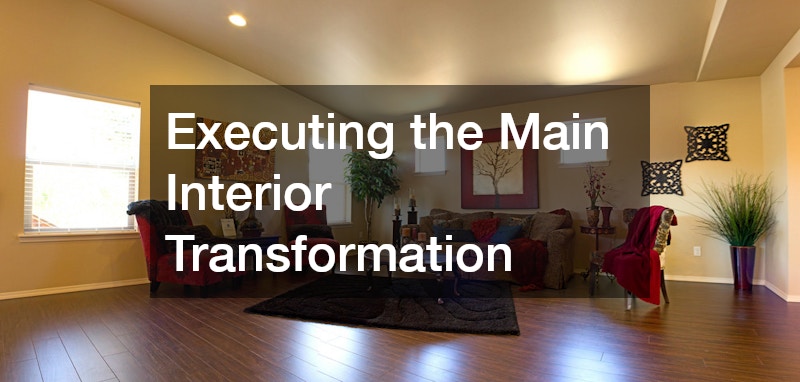
The kitchen is universally recognized as the heart of any residential property, and its condition heavily influences the overall value and appeal of the home. In a distressed house, the kitchen is often the most severely outdated or damaged room, featuring rotted countertops, broken appliances, and inefficient floor plans that do not suit modern lifestyles. A total overhaul of this vital space is almost always necessary to achieve a high return on investment and create a strong emotional connection with buyers.
A well-executed kitchen remodeling project requires careful coordination between plumbing, electrical, and structural trades. Modern buyers look for open-concept layouts, durable surfaces, and high-efficiency appliances that streamline daily tasks. By updating the room’s flow, optimizing the lighting configuration, and selecting timeless, hard-wearing finishes, renovators can turn a formerly depressing space into a stunning centerpiece that defines the character of the entire home, serving as a primary driver of the property’s market value.
Integrating Premium Custom Storage Solutions
No major culinary renovation is truly complete without high-quality cabinetry that maximizes every available square inch of storage space. Off-the-shelf, mass-produced cabinets often leave awkward gaps, utilize cheap particle board that sags under weight, and fail to accommodate unique architectural quirks commonly found in older or historically distressed homes. These minor imperfections can detract from an otherwise high-end renovation.
To achieve a flawless, high-end finish that stands out from the competition, investing in professional custom cabinetry services is an excellent choice. Tailored cabinets allow renovators to design storage that extends all the way to the ceiling, integrate hidden pantries, and specify durable hardwood boxes that endure decades of heavy use. Beautiful, bespoke millwork not only provides superior organization but also serves as a major visual selling point, elevating the property above standard builder-grade renovations and adding an exceptional touch of craftsmanship.
Bringing the Blueprint to Fruition
Rehabilitating a distressed property is an intricate journey that transforms neglected structures into vibrant, valuable assets. By strictly adhering to a logical, step-by-step restoration blueprint, real estate investors and homeowners can avoid common budgeting pitfalls, manage contractor timelines effectively, and maximize their long-term financial returns. The key lies in prioritizing structural safety, external security, and environmental remediation before indulging in luxurious interior aesthetics or superficial design trends.
From the initial external land clearing to the final installation of tailored indoor storage, every single phase plays a critical role in the home’s ultimate success. When executed with patience, high-quality materials, and expert trade partnerships, a once-abandoned house can become a safe, beautiful, and highly efficient sanctuary for generations to come. The effort invested in doing things the right way pays off tenfold in equity, safety, and pride of ownership.