A plain, underused yard is really just an outdoor room waiting for a purpose. With the right mix of structure, shelter, and comfort upgrades, that patch of grass can become a space you actually use in January and July alike. This guide walks through the practical systems and improvements that turn an afterthought backyard into a true four season retreat, from the roof over your head to the ground beneath your feet. Whether you are starting from scratch or improving what is already there, these are the building blocks worth understanding before you spend a dollar.
Building a Deck That Works in Every Season
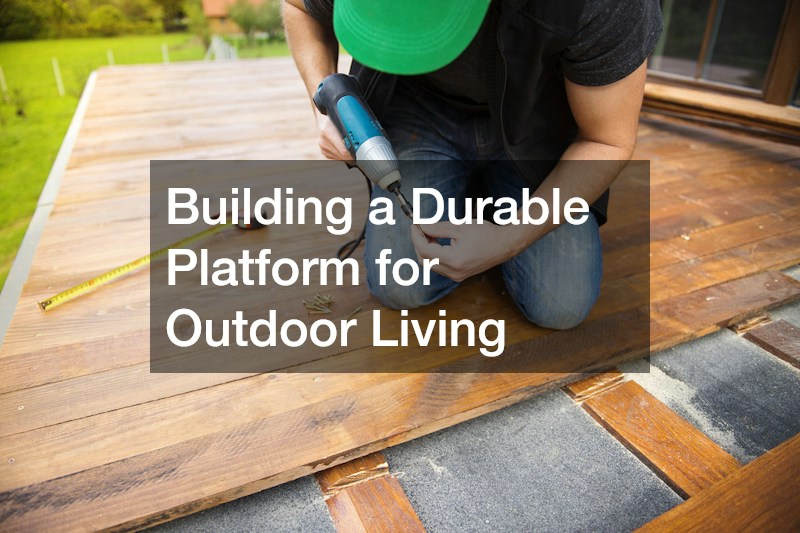
A deck is often the anchor of an outdoor retreat, but not every deck is built to handle year round use. A custom deck build lets you plan for drainage, shade, and even built in seating or fire features from the start, rather than retrofitting them later. This upfront planning matters because adding a pergola or fire pit after the fact often means cutting into existing boards or reinforcing framing that wasn’t designed for the extra load. Choosing weather resistant materials and proper footings matters more in climates with freeze thaw cycles, since poorly built decking can warp or heave within a few seasons. Composite decking tends to resist moisture and splintering better than untreated wood, while pressure treated lumber remains a budget friendly option if sealed every year or two. Footings should extend below the local frost line, which can range from 12 inches in milder regions to over 48 inches in colder northern climates, to keep posts from shifting as the ground freezes and thaws. Drainage deserves its own attention, since standing water is one of the fastest ways to rot joists or crack concrete footings. A slight slope away from the house, gapped decking boards, and gutters that direct runoff away from the deck’s base all help manage moisture year round. For homeowners who want to use the space even in winter, built in bench seating, partial roofing, or a wind break of lattice or glass panels can make the deck usable well beyond the warmer months.
Beyond materials, think about how the deck connects to the rest of the yard and home. A multi level layout can separate a dining area from a lounge space, with a simple 12 to 18 inch step change in elevation enough to visually define each zone without requiring railings or walls. This kind of layering also helps the deck feel functional year round, since a sunken lounge area can double as a windbreak in cooler months while an elevated dining platform catches more light and airflow in summer. Built in lighting extends usability into the evening hours and adds a layer of safety once temperatures drop and daylight hours shrink. Low voltage LED strips along stair edges and railings cost relatively little to install and run, while post cap lights add ambient glow without harsh glare. For colder seasons, consider pairing lighting with a wired outlet or two, so string lights, space heaters, or a small projector for outdoor movie nights can run without extension cords snaking across the boards. Finally, think about sightlines and traffic flow between the deck and the house. Placing a door or large window near the dining zone makes it easy to shuttle food and drinks back and forth, while a slightly more secluded lounge area, screened by planters or a pergola, gives the space a four season retreat feel rather than just an extension of the kitchen.
- Composite decking resists moisture, warping, and insect damage, cutting long-term maintenance to an occasional soap-and-water cleaning
- Proper footing depth—typically below the local frost line, often 36 to 48 inches in colder climates—prevents frost heave from shifting or cracking the structure
- Built-in benches and planters add function without clutter, and can double as hidden storage for cushions or gardening tools
- Covered sections, whether a pergola, retractable awning, or partial roof, extend usability during light rain and block harsh midday sun in summer
- Gaps between deck boards should allow proper drainage so water doesn’t pool and freeze, which speeds up wear
- Adding a few electrical outlets or low-voltage lighting during construction makes the deck usable after dark and into cooler months
Protecting the Patio with Reliable Roof Coverage
If your retreat includes a covered patio, pergola, or outdoor kitchen, the roof over it needs the same attention as the one over your house. A quarter-inch-per-foot slope is a common minimum for shedding water effectively, and the material you choose—whether standing-seam metal, asphalt shingles, or polycarbonate panels—should match both your climate and the look of your home. Working with experienced roofing companies ensures the structure is properly flashed, insulated, and sloped to shed water instead of pooling it. They’ll also check that flashing is integrated correctly where the patio roof meets the house, since this junction is one of the most common failure points. Proper insulation matters too, especially if the space will be used for an outdoor kitchen or heated seating area during cooler months. Many homeowners overlook this step and end up with leaks or sagging panels within a year or two of installation. Poor drainage can also lead to ice dams in winter or mold growth from trapped moisture, both of which are costly to fix after the fact. Investing in quality materials and professional installation upfront typically costs less than repairing water damage later.
For flatter patio covers or attached structures with a low slope roof, a flat roofing contractor can recommend membrane systems designed specifically for minimal pitch applications. Options like TPO, EPDM rubber, or modified bitumen are built to handle slopes as gentle as a quarter-inch per foot, something asphalt shingles simply can’t manage without leaking. These materials handle standing water and temperature swings better than shingles ever could on a flat surface, which matters a great deal if you live somewhere with heavy snow loads or seasonal downpours. A quality membrane system can last 20 to 30 years with proper maintenance, resisting the cracking and granule loss that plagues shingles installed on low-slope sections. A flat roofing contractor will also account for drainage details that homeowners often overlook, like tapered insulation layers that guide water toward scuppers or internal drains instead of letting it pool. Proper flashing where the patio roof meets the main house is equally critical, since this junction is one of the most common sources of hidden leaks. Getting these details right now saves you from costly water damage repairs down the road, especially once the structure is enclosed and used year-round.
Keeping the Yard Shaded and Mulched Through the Year
Ground cover and shade are two of the most overlooked elements of outdoor comfort. Fresh mulch not only keeps planting beds looking finished, it also regulates soil temperature and reduces weeding chores. For larger properties, bark blowers make quick work of spreading mulch evenly across beds and slopes that would otherwise take a full weekend of manual labor.
Shade structures matter just as much as ground cover when you are trying to use a yard in the heat of summer. Pergolas, market umbrellas, and mature tree canopies all contribute to a space that stays comfortable rather than scorching by early afternoon.
- Fresh mulch should be refreshed once or twice a year depending on climate
- Shredded hardwood mulch breaks down slower than cedar in hot regions
- Shade sails offer a budget friendly alternative to permanent structures
- Strategic tree placement can reduce patio surface temperature significantly
Managing Sun and Glare with Outdoor Shading Solutions
Even a well shaded yard can have moments where low afternoon sun makes a patio or porch uncomfortable. This is especially true in late spring and early fall, when the sun sits lower on the horizon and slips past overhead shade structures that work fine in midsummer. A pergola with a solid roof might block noon sun perfectly but do nothing to stop a 4 p.m. glare angling in from the west. Outdoor solar shades mounted along pergolas or covered porches block harsh light and UV exposure while still allowing airflow through the space. Most are made from tightly woven mesh fabrics rated by their “openness factor,” typically ranging from 1% to 10%, which determines how much light and visibility pass through versus how much heat and glare they block. A lower openness factor cuts more sun but also limits your view, so it’s worth balancing privacy and shade needs against how much you want to still see the yard. Many of these shades can be raised or lowered as needed, giving you control over brightness without sacrificing the open feel of the yard. Manual crank or pulley systems are the most budget friendly option, while motorized versions, often controllable by remote or smartphone app, add convenience for larger or harder to reach openings. Some homeowners also pair solar shades with retractable awnings or exterior blinds on adjacent windows for a more complete glare management system across the whole living space.
Beyond comfort, these shading systems protect your investment in outdoor furniture. UV rays break down fabric fibers and fade colors surprisingly fast, so a retractable awning, pergola canopy, or set of exterior shades can add years to the life of cushions, outdoor rugs, and wood or wicker finishes. Look for fabrics with a UV protection factor of 50+ if you’re shading a space with pricier furnishings, since the difference in longevity is noticeable within just a season or two. Motorized options are worth considering if you plan to adjust shading throughout the day. Sensors that respond to sun position or wind speed can retract a shade automatically before a gust damages the hardware, which saves you from having to monitor the weather constantly. Pairing these solutions with a covered structure, like a pergola, arbor, or partial roof extension, creates a space that stays usable from the first warm days of spring through the last mild afternoons of fall. The combination also gives you flexibility: open shading for breezy mornings, closed for harsh midday sun, and a solid roof overhead for the occasional unexpected shower.
Extending Comfort with Outdoor Heating and Cooling

Temperature control is what separates a backyard you use three months a year from one you use nine. Outdoor rated heaters, whether freestanding, wall mounted, or built into a fire feature, keep a patio comfortable once the sun goes down in cooler months. If an existing outdoor heating unit stops working efficiently, prompt heating repair keeps your retreat usable instead of sitting unused through a cold snap.
On the opposite end, if your outdoor space connects to an interior room through large doors or a three season porch, the strain on your home’s cooling system can increase. Scheduling AC repairs before peak summer ensures that transition zone stays comfortable rather than becoming a hot, stagnant area nobody wants to sit in.
Maintaining the Roof That Shelters Your Retreat
A four season retreat often depends on structures attached to or near the main house, which means your home’s main roof deserves attention too. Small leaks above a connected porch or sunroom can quietly damage framing long before they show up as a stain on the ceiling. Scheduling roof repair at the first sign of missing shingles or soft spots protects both the structure and everything you have invested in the outdoor space below it.
Seasonal inspections are especially important after storms or heavy snow loads, since damage is not always visible from the ground. Catching a small issue early is almost always less disruptive than dealing with water damage that has spread into insulation or framing.
- Check for curling, cracked, or missing shingles each spring and fall
- Inspect flashing around chimneys and skylights for gaps
- Look for granules collecting in gutters, a sign of shingle wear
- Address soft spots on the roof deck before they expand
Updating Siding and Exterior Walls Around the Retreat
The exterior walls surrounding your patio or porch do more than frame the view, they protect the home from moisture and temperature swings that come with year round outdoor living. Experienced siding contractors can recommend materials that hold up against splashing from nearby landscaping, hot tubs, or sprinkler systems. Fiber cement and engineered wood options tend to perform well in spaces that see heavy outdoor traffic close to the house.
Updating siding at the same time as a backyard renovation also gives you a chance to coordinate colors and materials, so the new outdoor space feels like an intentional extension of the home rather than an afterthought. This is also a good opportunity to add extra insulation behind the siding, which helps regulate temperature in any attached three season room.
Running Water and Drainage Lines for Outdoor Kitchens
Outdoor kitchens, sinks, and even simple hose bibs require careful planning so they continue working properly through freezing winters. A licensed plumber can install frost free fixtures and proper shutoff valves that prevent burst pipes when temperatures drop. This planning stage is also the right time to discuss drainage for any outdoor shower or wash station you might add later.
Ignoring proper winterization is one of the most common and expensive mistakes homeowners make with outdoor kitchens. A few hours of professional plumbing work in the fall can save thousands of dollars in spring repairs if a line freezes and cracks.
Turning a plain yard into a four season retreat is less about a single big purchase and more about a series of smart, coordinated decisions. Start with the structures you will use most, like a deck or covered patio, then layer in comfort systems such as shade, heating, and reliable drainage. Addressing the home’s roof, siding, and mechanical systems alongside the yard itself ensures nothing gets overlooked once the project is finished. Take stock of which element matters most to your household right now, and build outward from there one season at a time.