Your home does not end at the back door. In recent years, the concept of the backyard has dramatically evolved from a simple patch of grass meant for weekend mowing into a vital, fully integrated extension of the home’s living space. A meticulously planned and executed outdoor area serves as a sanctuary for mental well-being, an entertainment hub for family gatherings, and a peaceful retreat from the demands of modern life. Beyond the immediate lifestyle benefits, investing in your exterior property is one of the most effective ways to boost your home’s overall market value. Buyers today are not just looking for a house; they are looking for a lifestyle, and a thoughtfully renovated outdoor environment speaks directly to that desire.
The Core Problem
Despite the clear benefits, embarking on an outdoor renovation is often an incredibly daunting prospect. Unlike interior renovations, where you are dealing with controlled environments, outdoor projects leave you at the mercy of weather, soil conditions, drainage issues, and strict municipal zoning laws. The stakes are high. Hiring the wrong individuals or companies can quickly turn a dream project into a nightmare characterized by blown budgets, indefinite delays, structural failures, and unending frustration. Many homeowners dive into hiring without fully understanding the specific disciplines required to build their vision, resulting in miscommunications and subpar landscaper craftsmanship that falls apart after a single harsh winter or heavy rainy season.
What This Guide Covers
To protect your investment and your peace of mind, you need a strategic approach to hiring. This comprehensive guide provides a step-by-step blueprint to help you evaluate your property’s unique physical needs, ask the right questions during the interview process, and confidently hire the exact professionals required to bring your vision to life. By the end of this guide, you will know how to separate the true craftsmen from the corner-cutters, ensuring your outdoor transformation is built to last for generations.

Define Your Vision and Scope of Work
Document Your Must-Haves Versus Nice-to-Haves
Before you even think about picking up the phone to request quotes, you must first do the heavy lifting of figuring out exactly what you want. A common pitfall is approaching professionals with a vague idea, which leads to wildly varying estimates that are impossible to compare side-by-side. Start by creating a comprehensive master list of every single feature you would love to see in your ideal outdoor space. Include everything from the types of flowers you prefer to the sprawling outdoor kitchen of your dreams.
Once your ultimate wish list is on paper, it is time to ruthlessly categorize these items into “must-haves” and “nice-to-haves.”
-
Must-Haves: These are the non-negotiable elements that solve current problems or serve your primary lifestyle needs. If you have dogs, a secure fence is a must-have. If you host weekly dinners, an outdoor dining area is a must-have.
-
Nice-to-Haves: These are the luxury additions that would be incredible but are not strictly necessary for the space to function. A built-in pizza oven or a heated pergola might fall into this category.
-
Phased Planning: If your budget cannot accommodate all your must-haves and nice-to-haves at once, plan your project in phases. Phase one might involve laying the structural foundation, while phase two, planned for the following year, adds the decorative elements.
Establishing a firm, realistic budget up front is critical. Knowing your financial boundaries helps you narrow down which landscaping services are actually viable for your project right now and prevents you from falling in love with a design you cannot afford to execute.
Determine if You Need Visionary Planning or Just Execution
The next step is understanding the difference between knowing exactly what you want versus needing creative direction. If your project is relatively straightforward—such as replacing a patch of dead grass with a simple rectangular concrete pad—you likely just need a skilled execution team to do the physical labor. You can point to the space, give them the dimensions, and let them get to work.
However, if you are dealing with complex terrain, steep slopes, or highly ambitious aesthetic goals, you need more than just physical labor; you need visionary planning. When a project involves multiple zones, intricate plant palettes, and cohesive material selections, it often justifies hiring a dedicated backyard designer before you bring in the construction crews. This professional acts as the architect of your outdoor space. They will provide 3D renderings, solve spatial puzzles you didn’t even know existed, and create a comprehensive master plan that ensures every distinct element of your yard speaks the same visual language. Paying for this level of detailed planning upfront often saves thousands of dollars in costly revisions and mismatched materials down the line.

Evaluate Your Property’s Foundation and Structural Needs
Check for Drainage Issues and Grading Requirements
Spend time observing how water flows through your yard during a heavy rainstorm.
-
Look for Pooling: Are there areas where water sits for hours or days after the rain stops? This indicates compacted soil or a low spot that cannot drain properly.
-
Check for Erosion: Do you see small gullies or channels washed away in the dirt or mulch? This means water is moving too quickly across the surface, taking your topsoil with it.
-
Inspect the Foundation: Is water flowing toward your home’s foundation rather than away from it? This is a massive red flag that requires immediate attention to prevent flooded basements and foundational cracking.
Resolving these issues through proper grading and heavy excavation must happen before a single plant goes into the ground or a single piece of stone is laid. Reshaping the earth to ensure a gentle, consistent slope away from your home and installing subsurface drainage solutions like French drains or catch basins are non-negotiable prerequisites for a successful project.
Decide on Permanent Structures Before Planting
Once the ground is properly contoured and draining correctly, you must adhere to the golden rule of outdoor sequencing: structure always precedes horticulture. You must install all of your “hard” elements before you even think about the “soft” elements like soil, mulch, grass, and plants.
The heavy machinery required to build permanent structures will absolutely destroy any delicate flora in its path. Therefore, you need to map out and construct your retaining walls, stone steps, built-in seating, and permanent fire pits first. Because these structures deal with tremendous weight, soil pressure, and the freeze-thaw cycle (depending on your climate), they require specialized engineering and deep structural bases. For these complex structural features, you must vet specialized hardscaping contractors rather than relying on general yard maintenance crews who may lack the masonry expertise required to build walls that will not bow, crack, or collapse under pressure.
Prioritize Your Outdoor Entertainment Zones
Select the Right Foundation for Your Gathering Spaces
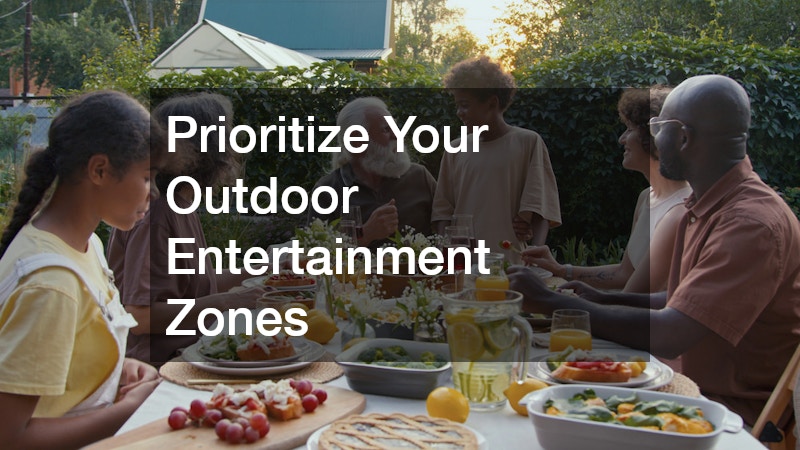
The anchor of almost any functional outdoor living area is the gathering space. This is where you will place your furniture, host your guests, and spend the majority of your time. Selecting the right ground-level surface material for these zones is a major decision that impacts both the budget and the long-term maintenance of the area.
You have several primary options for ground-level gathering areas, each with distinct advantages and drawbacks:
-
Poured Concrete: This is often the most budget-friendly option. It is highly durable and can be stamped or colored to mimic more expensive materials. However, in climates with extreme temperature swings, concrete is prone to cracking, and repairs are notoriously difficult to camouflage.
-
Natural Stone: Materials like flagstone, slate, or travertine offer unparalleled, unique beauty. They bring a timeless elegance to the yard. The downside is the cost—both for the materials themselves and the highly skilled labor required to cut and lay irregular stones perfectly.
-
Manufactured Pavers: Concrete or porcelain pavers offer a middle ground. They are incredibly durable, come in exact, uniform sizes for easier installation, and if one cracks or is stained, it can be individually replaced without tearing up the entire area.
When determining the layout of your patios, pay close attention to scale and flow. A common mistake is building a surface that looks huge when empty but feels incredibly cramped once a dining table, chairs, and a grill are placed on it. Ensure these spaces flow seamlessly from the home’s interior living areas, matching the interior floor height as closely as possible to create a continuous indoor-outdoor transition.
Elevate Your Space with Custom Wood or Composite Structures
Not all yards are flat, and sometimes a ground-level gathering space simply isn’t feasible or desirable. If your home has a high back door, or if your yard features a significant slope, an elevated platform is often the best solution to maximize your usable square footage. Elevated outdoor areas provide excellent vantage points, create distinct architectural interest, and solve the problem of uneven terrain.
When planning an elevated structure, the primary debate usually comes down to material choice: traditional wood versus modern composite.
-
Natural Wood: Pressure-treated pine is the economical choice, while cedar and redwood offer natural beauty and insect resistance. However, all wood requires ongoing, rigorous maintenance, including bi-annual power washing, staining, and sealing to prevent rot and splintering.
-
Composite Materials: Made from a blend of wood fibers and recycled plastics, composites are vastly more expensive upfront. However, they require almost zero maintenance, will never splinter, and resist fading and staining, often making them the more cost-effective choice over a twenty-year lifespan.
Because elevated platforms are weight-bearing structures attached to your home, safety and structural integrity are paramount. When interviewing a prospective deck builder, ask specific, probing questions. Inquire about their experience with hidden fastening systems that eliminate visible screws, their preferred brands of composite materials, and crucially, their process for drawing structural plans and securing the necessary local building permits.
Secure the Future Health of Your Greenery
Map Out Your Water Source and Coverage Areas
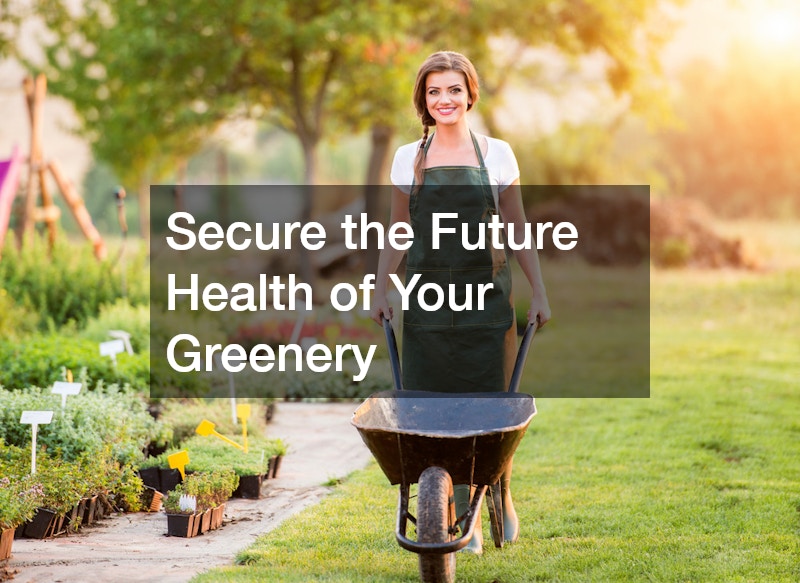
After your earth is graded, your walls are built, and your entertainment zones are established, you can finally turn your attention to the living elements of your property. Trees, shrubs, flowers, and turf bring life, color, and softness to the heavy stone and wood structures. However, these living elements represent a significant financial investment, and protecting that investment requires consistent, reliable hydration.
Relying on manual watering for large-scale horticultural investments is a recipe for failure. Dragging a hose around the yard is time-consuming, highly inefficient, and usually results in uneven watering—leaving some areas parched and others drowning. Furthermore, it completely ties you to your home during the hot summer months, making vacations a source of anxiety regarding plant survival.
The technical requirements of moving water efficiently across a property are complex. It involves calculating your home’s static water pressure, determining the flow rate in gallons per minute, segmenting the yard into specific watering zones based on sun exposure and plant needs, and trenching the pipework below the frost line. Because of the plumbing and electrical knowledge required, professional lawn sprinkler installation is an absolute necessity rather than a DIY weekend project. Doing it wrong can result in massive water bills, ruptured pipes, and a completely flooded landscape.
Verify Water Efficiency and Smart Tech Capabilities
Modern water management is no longer just a mechanical timer clicking away in the garage. Today’s systems are highly sophisticated and designed to conserve water while delivering exact hydration to different types of vegetation. A well-designed system will utilize rotary heads for large expanses of turf, stationary spray heads for smaller garden beds, and highly efficient subsurface drip lines that deliver water directly to the root zones of individual shrubs and trees, eliminating evaporation.
When you invest in a modern system, the long-term savings on your municipal utility bills can be substantial. To ensure you are getting a state-of-the-art setup, give yourself a checklist of technological features to demand when interviewing prospective irrigation contractors.
-
Smart Controllers: Ensure the system uses a Wi-Fi-enabled controller that connects to local weather station data. These controllers will automatically adjust watering times based on recent rainfall, current temperature, and humidity, ensuring you never waste money watering during a rainstorm.
-
Soil Moisture Sensors: These devices are buried in the root zones and communicate directly with the controller, overriding scheduled watering if the soil is already sufficiently wet.
-
Flow Meters: A smart flow meter will detect unusual spikes in water usage, immediately shutting off the system and sending an alert to your phone if a pipe bursts or a sprinkler head is broken off by a lawnmower.
Vet Your Shortlist with Precision
Demand Proof of Insurance and Recent References
Once you have a clear plan and understand the specific types of professionals you need, it is time to build a shortlist of candidates and vet them rigorously. This is the stage where you must balance trust with cold, hard verification.
First and foremost, you must verify their legal and financial standing. It is critical to understand the difference between a professional claiming to be “licensed” and being “fully insured.” A business license simply means they registered with the city; it offers you zero protection. You must demand physical copies of their insurance certificates. They need two specific types:
-
General Liability Insurance: This protects your property. If a worker accidentally drives a skid-steer into your living room wall, this insurance pays for the damage.
-
Worker’s Compensation Insurance: This protects you from massive financial liability. If an employee falls and breaks their leg on your property, worker’s comp covers their medical bills. Without it, the injured worker could sue you directly.
After verifying insurance, you must evaluate their track record. Do not rely solely on the glossy, highly curated portfolios on their website. Those photos are taken on the best day of the project, right after everything is cleaned and perfectly staged. To source authentic reviews, you need to ask local landscapers for references from projects they completed over three years ago. Calling these past clients allows you to see how the work holds up over time. Did the retaining wall settle and crack? Did the patio pavers shift after two winters? Did the plants survive, and did the company honor their warranties if they didn’t? Past long-term performance is the single best predictor of future success.
Analyze the Fine Print on Warranties and Contracts
The final step before putting a shovel in the ground is reviewing the bid and the contract. A vague estimate scribbled on the back of a business card is a massive red flag. You need to know how to read a professional bid.
A high-quality proposal should be exhaustively itemized. It should break down exactly how much you are paying for raw materials (stone, wood, soil, plants) versus how much you are paying for labor and equipment fees. This transparency allows you to see exactly where your money is going and makes it easier to adjust the scope if the total price comes in too high.
Beyond the pricing, scrutinize the logistics and the guarantees outlined in the contract.
-
Project Timelines: Does the contract state a projected start date and an estimated completion date? Are there penalties for unjustifiable delays?
-
Cleanup Protocols: Who is responsible for removing debris, dirt, and trash at the end of each workday? A messy site is a dangerous site.
-
Payment Schedules: Never pay more than 10% to 30% upfront. The payment schedule should be tied directly to project milestones (e.g., 20% at the start, 30% after excavation is complete, 30% after hard materials are installed, and the final 20% only after a final walkthrough).
Finally, pay close attention to plant and material warranties. Explain to yourself what reasonable guarantees look like. Reputable landscapers should gladly put these terms in writing before requiring a deposit. For instance, do they offer a one-year replacement guarantee on trees and shrubs? Does the masonry work come with a five-year warranty against settling and cracking? If a contractor refuses to guarantee their work in writing, you should refuse to hire them.
Conclusion
Transforming your outdoor space is a significant undertaking that requires careful planning, a realistic understanding of structural requirements, and a meticulous approach to hiring. By taking the time to thoroughly document your scope of work, you set clear expectations from the very beginning. By prioritizing vital foundational elements like drainage and grading before moving on to aesthetic structures and greenery, you ensure that your investment is built on solid ground.
Navigating the hiring process can feel intimidating, but armed with the right questions and a firm grasp of what constitutes a professional, legally sound business, you can strip the anxiety out of the equation. Remember that the cheapest bid is rarely the most cost-effective choice in the long run. Quality craftsmanship, proper insurance, and legally binding warranties cost money, but they are the safety nets that protect your home and your wallet.
Taking the time to hire correctly on the front end pays off exponentially through years of stress-free outdoor enjoyment. Don’t let the magnitude of the project paralyze you. Take the first practical step today: grab a tape measure, walk out your back door, and start sketching the rough dimensions of your yard, or simply sit down with your family and write down your top three outdoor living goals. Your perfect backyard oasis is entirely within reach—it just requires a solid plan and the right team to build it.