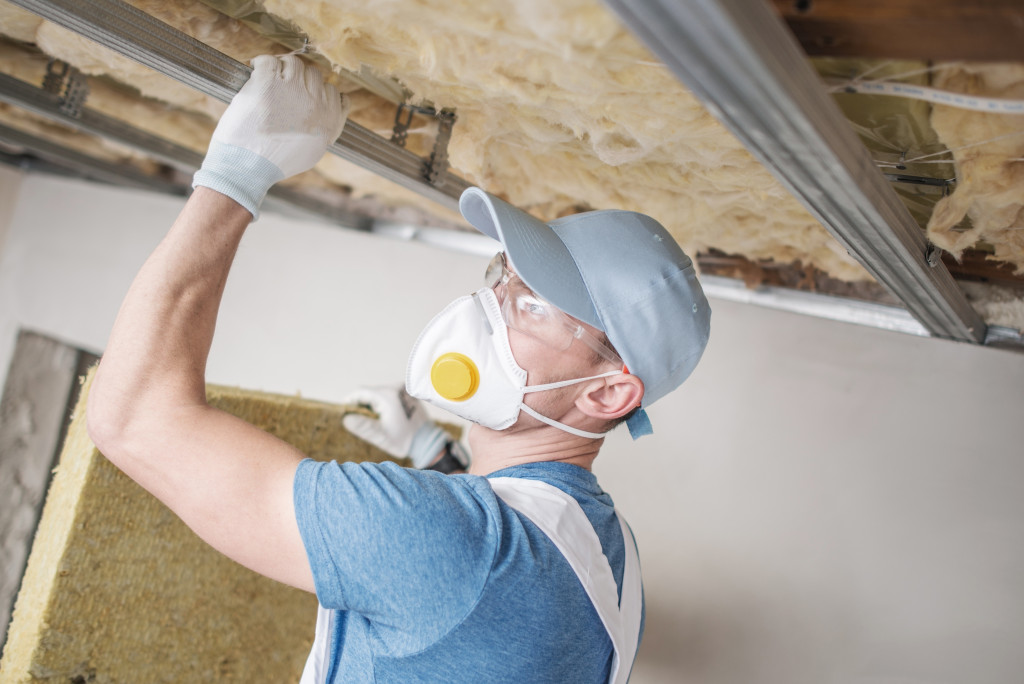
Owning a home comes with ongoing responsibility, and most properties require more than occasional cosmetic updates to stay safe, efficient, and comfortable. Over time, different systems in a home begin to show wear, and knowing what those signs mean can help homeowners avoid expensive emergencies.
Many major issues do not appear suddenly—they develop gradually through small changes in structure, performance, or efficiency. Recognizing these early signals allows homeowners to take action before damage spreads or costs escalate.
This guide breaks down the most common home improvement services, explains what they do, and helps you understand when each type of service becomes necessary. Whether you are maintaining an older home or planning upgrades, this will help you make informed decisions and prioritize repairs effectively.
1. Strengthening the Core Structure of Your Home
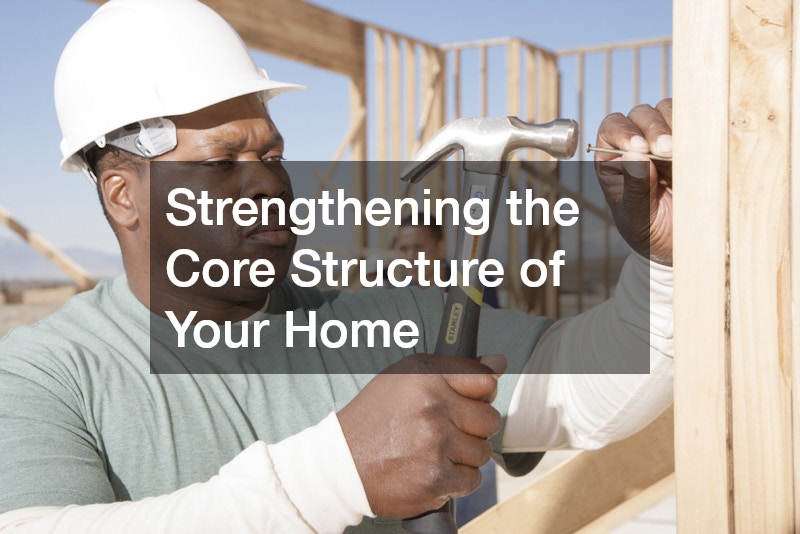
The structural integrity of a home depends heavily on the materials used and the quality of initial construction. When cracks begin appearing in walls, floors start shifting, or exterior surfaces deteriorate, it often signals deeper foundational concerns. These issues rarely appear overnight; they typically develop slowly as soil conditions change, materials age, or moisture begins to affect load-bearing elements. Even small warning signs can indicate that stress is being distributed unevenly throughout the structure, which can compromise safety if left unaddressed.
Working with experienced professionals ensures that structural issues are diagnosed correctly and repaired before they worsen. A proper evaluation usually involves inspecting the foundation, load-bearing walls, beams, and exterior supports to determine whether the issue is cosmetic or structural. In many cases, what looks like a simple wall crack may actually point to foundation movement or shifting soil beneath the home.
A few common warning signs include:
- Cracks in brick, stone, or drywall that continue to expand
- Uneven floors or sinking areas in the foundation
- Moisture intrusion around basement walls
- Doors and windows no longer closing properly
Additional indicators homeowners often overlook include gaps forming between walls and ceilings, tilting chimneys, or recurring cracks that reappear after patching. These patterns usually suggest ongoing movement rather than isolated damage.
Proper sourcing of durable materials is equally important when making repairs or upgrades. A reliable local masonry supply helps ensure that brick, stone, and mortar materials match existing structures and meet long-term durability standards. Using low-quality materials may temporarily fix the issue but often leads to repeated repairs, mismatched finishes, and reduced structural reliability over time. High-grade materials also improve resistance to moisture, temperature fluctuations, and long-term settling.
When projects involve structural changes or repairs, a qualified building contractor plays a key role in coordinating work, ensuring code compliance, and managing the overall construction process. They also help homeowners avoid costly mistakes by overseeing materials, labor, and project sequencing. In addition, they can identify hidden structural risks that may not be visible during a basic inspection, ensuring that repairs address both surface-level and underlying issues effectively.
2. Preparing Land and Surfaces for Long-Term Stability
Before any major home improvement project begins, the land itself often needs preparation. Poor grading or unstable soil can lead to drainage issues, foundation movement, and surface damage over time. These problems are especially common in areas where water runoff is not properly directed away from the home, gradually weakening both soil and structural support. Without a stable base, even the most well-built structures can experience premature wear, shifting, or cracking.
One of the most important early steps in any exterior project is proper excavation. An excavation contractor is responsible for clearing land, shaping terrain, and preparing the ground for foundations, driveways, and landscaping. Without proper excavation, even high-quality construction can fail prematurely. This process often includes removing debris, correcting slope angles, compacting soil, and ensuring proper depth for future construction elements. In some cases, it may also involve addressing underground obstacles such as roots, rocks, or outdated utility lines that could interfere with new installations.
Signs you may need excavation work include:
- Water pooling near your home’s foundation
- Uneven or sloping yard areas
- Cracked or shifting exterior surfaces
- Preparation for new construction or additions
Homeowners may also notice erosion patterns forming after heavy rain, or mulch and soil washing away from landscaped areas, both of which can indicate poor grading.
Once the ground is properly prepared, surface installation becomes critical. Driveways, parking areas, and walkways must be built to handle weight, weather, and drainage conditions. An asphalt pavement contractor ensures these surfaces are installed correctly, compacted properly, and sealed to resist cracking and erosion. Proper installation also includes layering materials at the correct depth and slope to promote long-term durability and water runoff efficiency.
Common asphalt issues that require attention:
- Potholes forming in driveways
- Surface cracking or crumbling edges
- Water not draining off paved areas
- Fading or worn surface layers
Neglecting these issues can lead to deeper base damage, which significantly increases repair costs over time. Proper groundwork ensures every other improvement lasts longer and performs better, creating a stable foundation for everything built above it.
3. Improving Safety and Defining Property Boundaries
Boundaries are essential for privacy, safety, and property definition. Over time, fences, gates, and railings can weaken due to weather exposure, rust, or general wear. What may start as a small structural issue—like a slightly leaning post or loose fastener—can gradually turn into a full system failure if not addressed early. In addition, shifting soil, seasonal freeze-thaw cycles, and prolonged moisture exposure can all accelerate deterioration, especially in older installations that were not built with modern materials or anchoring methods.
A well-maintained fence not only protects your property but also enhances curb appeal and security. Fence systems may need repair or replacement when:
- Panels begin leaning or collapsing
- Wood becomes rotted or infested
- Posts loosen due to shifting soil
- Security gaps develop around the perimeter
Homeowners should also watch for subtle warning signs such as squeaking gates, sagging hinges, or sections that no longer align properly. These issues often indicate deeper structural weakening at the base of the fence system. Left unchecked, small vulnerabilities can create entry points for animals or compromise overall privacy.
Professional fence services help homeowners choose durable materials, install secure structures, and maintain existing boundaries effectively. They can also recommend upgrades such as weather-resistant coatings, reinforced posts, or improved anchoring systems that extend the lifespan of the entire installation. In many cases, professionals can repair individual sections without requiring a full replacement, saving both time and cost.
In addition to fencing, decorative and functional railings also play a major role in safety, especially on stairs, balconies, and elevated surfaces. Iron railings are known for durability, but they still require maintenance over time. Exposure to moisture, salt, and temperature changes can gradually weaken protective coatings, allowing corrosion to form underneath the surface.
You may need iron railing services if you notice:
- Rust or corrosion forming on metal surfaces
- Loose or unstable railing sections
- Outdated designs that no longer meet safety standards
- Damage from impact or weather exposure
Properly maintained boundary systems not only improve safety but also contribute significantly to property value and aesthetic appeal. Regular inspections and timely repairs ensure these structures continue to provide both protection and visual enhancement for years to come.
4. Protecting Your Home from Weather Damage
Your roof is one of the most important protective barriers your home has. It shields everything underneath from rain, snow, heat, and wind. Even minor roof damage can quickly escalate into interior leaks, mold growth, and structural issues. Because the roof is constantly exposed to environmental stress, it naturally degrades over time, even if no obvious damage is immediately visible from the ground. Small vulnerabilities can allow moisture to enter, slowly weakening insulation, framing, and interior finishes.
Common indicators of roof problems include:
- Missing or curled shingles
- Water stains on ceilings or attic walls
- Sagging roof sections
- Increased energy bills due to poor insulation
Homeowners should also be alert to granules collecting in gutters, daylight visible through attic boards, or drafts coming from ceiling areas. These subtle signs often indicate that the roof’s protective layers are beginning to fail. In colder climates, ice dams forming along roof edges can also signal poor insulation or ventilation issues that need attention.
Regular inspections help catch problems early, especially after storms or seasonal changes. High winds, heavy rain, hail, and snow accumulation can all cause hidden damage that worsens over time if left unchecked. Inspecting the roof from both the exterior and attic interior provides a more complete understanding of its condition.
When damage is detected, timely roofing work is essential. Professional repair or replacement ensures that the home remains protected and energy-efficient. Delaying roof repairs often leads to more extensive and costly damage inside the home, including compromised insulation, weakened framing, and interior water damage that spreads beyond the initial entry point.
Preventative maintenance steps:
- Inspect roof surfaces twice a year
- Clean gutters to prevent water buildup
- Replace damaged shingles immediately
- Check attic ventilation for moisture issues
Additional maintenance can include trimming overhanging branches to prevent debris buildup and reduce impact damage during storms. Applying protective sealants or upgrading to more durable roofing materials can also extend the lifespan of the system.
A strong roof system is essential for maintaining the overall health of your home, acting as the first and most critical line of defense against environmental damage.
5. Maintaining Indoor Comfort and Efficiency
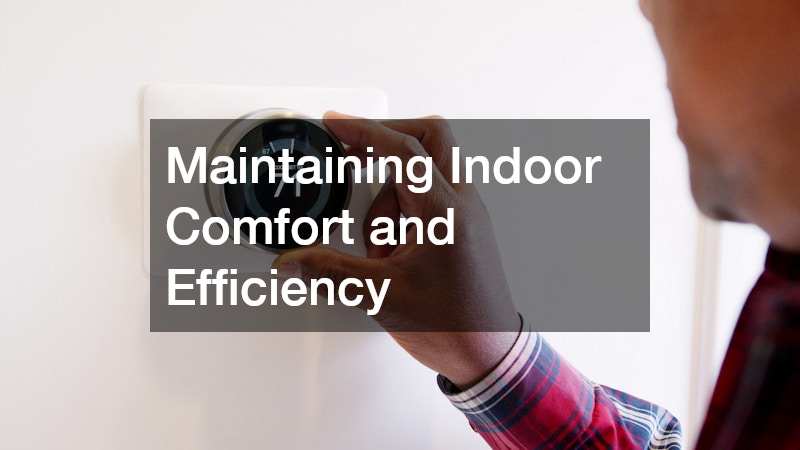
Heating and cooling systems are essential for maintaining comfortable indoor conditions year-round. When these systems begin to fail, the effects are often noticeable in both comfort and energy costs.
Signs your system may need attention include:
- Uneven temperatures between rooms
- Strange noises from vents or units
- Weak airflow or inconsistent performance
- Rising utility bills without increased usage
Professional HVAC repairs help restore efficiency, improve air quality, and extend system lifespan. Ignoring minor issues can lead to complete system failure, which is significantly more expensive to replace than to repair.
Preventative maintenance recommendations:
- Replace filters regularly
- Schedule seasonal inspections
- Keep outdoor units clear of debris
- Monitor thermostat performance
A well-maintained HVAC system ensures consistent comfort while reducing unnecessary energy consumption.
6. Ensuring Reliable Hot Water Supply
Hot water is essential for daily living, from cooking and cleaning to bathing and laundry. When water heating systems begin to fail, it can significantly disrupt household routines.
Warning signs of system issues include:
- Water taking too long to heat
- Rust-colored water from taps
- Strange noises from the tank
- Visible leaks around the system base
Professional water heater repairs can often restore functionality without requiring full replacement. However, older systems that frequently break down may be more cost-effective to replace.
Maintenance tips for longer system life:
- Flush the tank periodically to remove sediment
- Inspect valves and connections for leaks
- Adjust temperature settings for efficiency
- Schedule annual professional inspections
Reliable hot water access is essential for both comfort and hygiene, making timely repairs a priority.
7. Preventing Plumbing and Drainage Issues
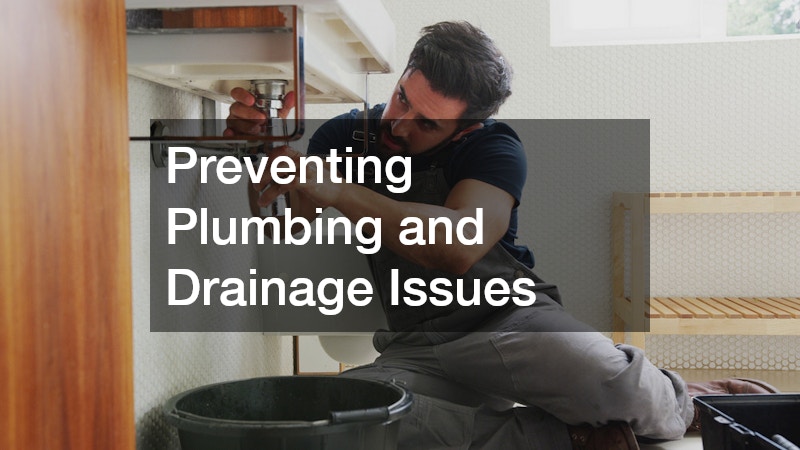
Drainage systems are often overlooked until serious problems occur. Blocked or damaged sewer lines can lead to unpleasant odors, slow drainage, and even property damage.
Common warning signs include:
- Multiple drains clogging at once
- Gurgling sounds from pipes
- Water backing up into sinks or tubs
- Foul odors near drains or yard areas
Professional sewer drain cleaners use specialized tools to remove blockages and restore proper flow throughout the system. This prevents recurring issues and reduces the risk of pipe damage.
Preventative steps include:
- Avoid flushing non-degradable materials
- Use drain strainers in sinks and showers
- Schedule routine cleaning for older systems
- Address slow drains before they worsen
Proper drainage maintenance protects both plumbing systems and overall home hygiene.
8. Coordinating Multiple Home Projects Efficiently
Home improvement projects often involve several different systems working together. Poor coordination between contractors can lead to delays, cost overruns, and inconsistent results.
Effective project planning involves:
- Scheduling work in the correct order (structural, then mechanical, then finishing work)
- Ensuring materials and labor are available when needed
- Avoiding overlap that causes damage to completed work
- Communicating clearly between all service providers
Homeowners benefit from creating a clear plan before starting major renovations. This reduces stress and helps ensure each phase of work is completed efficiently.
Key strategies include:
- Setting a realistic budget with contingency funds
- Prioritizing urgent repairs first
- Tracking progress across multiple services
- Hiring experienced professionals for coordination-heavy projects
9. Maintaining Long-Term Home Value and Performance
Ongoing maintenance is the most effective way to preserve both comfort and property value. Small issues that are ignored often become expensive repairs over time.
A strong maintenance routine includes:
- Seasonal inspections of major systems
- Immediate attention to minor damage
- Regular cleaning and upkeep of exterior surfaces
- Monitoring performance of mechanical systems
Preventative care reduces the likelihood of emergencies and extends the lifespan of every major system in the home.
Homeowners who stay proactive typically experience:
- Lower repair costs over time
- Fewer emergency service calls
- Improved energy efficiency
- Higher resale value
Consistency is the key to maintaining a safe and efficient living environment.
Understanding the range of home improvement services available helps homeowners make smarter, more informed decisions. Each system in a home plays a role in overall comfort, safety, and value, and recognizing when to act is essential.
By paying attention to early warning signs and addressing issues promptly, homeowners can avoid costly damage and maintain a well-functioning property for years to come.